
How to Make Guests Feel Welcome at Home
Most American homeowners agree that making guests feel truly welcome is a point of pride, especially during special occasions. Studies show nearly 80 percent of Americans believe hospitality starts at home, shaping the way families connect and celebrate. Whether you are preparing for a lively holiday or an intimate gathering, understanding the heart of American hospitality helps you craft spaces that feel inviting, memorable, and genuinely warm for everyone who enters your door.
Table of Contents
- Defining Hospitality In The American Home
- Types Of Guest Visits And Hosting Styles
- Personalized Decor And Meaningful Touches
- Practical Comforts For Every Guest
- Common Hosting Mistakes To Avoid
Key Takeaways
| Point | Details |
|---|---|
| Cultural Significance of Hospitality | American hospitality reflects cultural values of warmth and genuine connection, evolving from formal traditions to more personalized approaches. |
| Diverse Hosting Styles | Understanding different hosting styles, such as functional and integrative, allows for tailored approaches to various guest types and occasions. |
| Importance of Personal Touches | Incorporating personal items and thoughtful decor enhances the emotional connection and comfort for guests in the home. |
| Common Mistakes to Avoid | Hosts should be mindful of preparation and communication to prevent common pitfalls that can lead to uncomfortable guest experiences. |
Defining Hospitality in the American Home
Hospitality in the American home represents more than just a social convention - it’s a deeply ingrained cultural practice that reflects our values of warmth, inclusivity, and genuine connection. Historical research examining home cultures reveals how hospitality has transformed across generations, evolving from formal Victorian-era protocols to more relaxed, personalized approaches that prioritize comfort and authentic interaction.
At its core, American hospitality is about creating an environment where guests feel genuinely welcomed and valued. This goes beyond mere politeness - it’s about crafting an atmosphere of emotional openness and generosity. Philosophical perspectives on hospitality suggest that truly welcoming someone into your home involves an ethical commitment to making others feel safe, respected, and embraced, transcending simple social etiquette.
The contemporary American approach to home hospitality emphasizes personal touches and thoughtful preparation. This means curating spaces that invite conversation, ensuring guest comfort through practical amenities, and demonstrating a sincere interest in creating memorable experiences. Whether it’s having fresh towels prepared, offering a comfortable seating area, or anticipating potential guest needs, hospitality is about proactive care and genuine connection.
Pro tip: Create a dedicated guest welcome area in your home with essentials like extra blankets, phone chargers, and a small welcome basket to make visitors feel immediately comfortable and appreciated.
Types of Guest Visits and Hosting Styles
American home hospitality encompasses diverse visit types, each requiring a unique approach to hosting. Research exploring host-guest relationships reveals two primary hosting styles: functional hosting and integrative hosting. Functional hosting represents traditional hospitality where the primary focus remains on meeting guest needs, while integrative hosting involves seamlessly blending guest accommodations with the host’s existing lifestyle and home environment.
Anthropological studies of hosting encounters categorize guest visits into distinct types, each demanding nuanced hospitality strategies. These include family visits, which often involve more relaxed and intimate hosting styles; professional networking visits, requiring more structured and formal approaches; weekend social visits with friends, demanding a balance between comfort and entertainment; and extended stay visits, which necessitate comprehensive planning and amenity preparation.
Here’s a side-by-side look at hosting styles and their effects:
| Hosting Style | Key Approach | Typical Guest Experience | Best Used For |
|---|---|---|---|
| Functional Hosting | Focus on meeting guest needs | Formal and well-structured visits | Professional or business meetings |
| Integrative Hosting | Blend guest needs with host’s lifestyle | Relaxed and inclusive atmosphere | Family or close friends |
Modern American hosting recognizes that one-size-fits-all approaches no longer work. Successful hosts adapt their strategies based on guest relationships, visit duration, and individual guest preferences. This might mean providing a detailed local restaurant guide for out-of-town business contacts, setting up a cozy movie night area for visiting friends, or creating a serene, private space for family members needing quiet recovery time.
Pro tip: Create a flexible guest space that can be quickly customized with versatile furnishings, additional blankets, and adaptive lighting to accommodate different guest types and visit styles.
Personalized Decor and Meaningful Touches
Creating a welcoming home environment goes far beyond basic decoration - it’s about crafting spaces that tell a story and make guests feel genuinely embraced. Insights into personalized home design reveal that strategic use of personal mementos, family heirlooms, and meaningful artwork can transform a space from simply attractive to emotionally resonant. These carefully chosen elements serve as conversation starters and provide guests with a deeper understanding of the homeowner’s identity and personal history.
Psychological research on home decor demonstrates that personalized touches significantly enhance guest comfort and emotional connection. This might involve displaying cherished family photographs, incorporating cultural artifacts that represent your heritage, or showcasing handmade items that reflect personal passions. The key is authenticity - each decorative element should feel genuine and reflective of the home’s inhabitants, not merely a staged presentation.
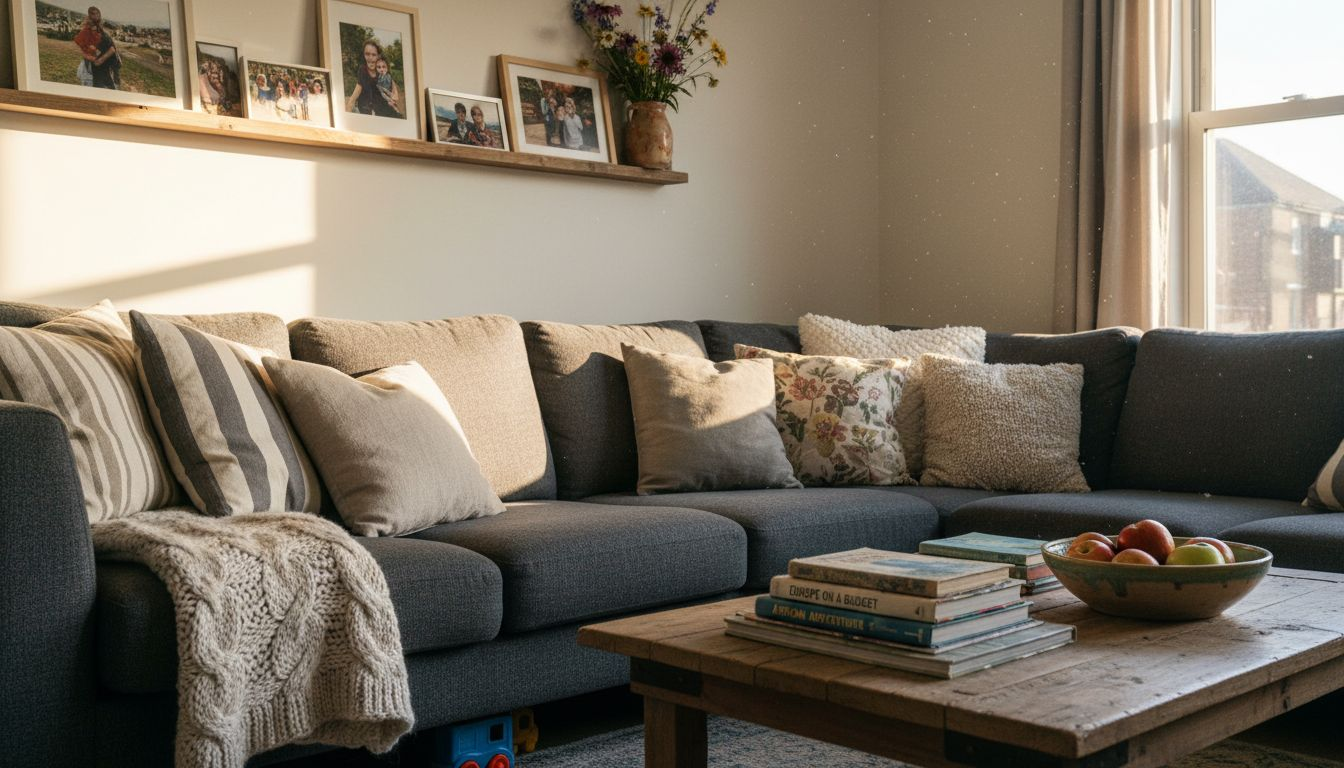
Successful personalized decor balances visual appeal with emotional depth. Consider creating curated displays that invite curiosity and conversation - perhaps a gallery wall featuring travel memories, a collection of books that reflect personal interests, or carefully arranged family heirlooms that spark storytelling. These intentional design choices communicate warmth, invite engagement, and make guests feel they are experiencing an intimate, thoughtfully crafted environment.
Pro tip: Rotate personal display items periodically to keep your space feeling dynamic and give returning guests something new to discover and discuss.
Practical Comforts for Every Guest
Research on guest well-being demonstrates that true hospitality extends far beyond basic amenities - it’s about anticipating and addressing guests’ diverse physical and emotional needs. Comfort is multifaceted, involving strategic considerations of space, accessibility, sensory experiences, and individual preferences. A well-prepared guest space signals thoughtfulness and care, transforming a simple room into a sanctuary that makes visitors feel genuinely valued and understood.
Comprehensive environmental studies reveal that guest comfort depends on carefully curated physical environments. This involves multiple strategic elements: ensuring optimal room temperature, providing adaptive lighting options, minimizing potential noise disruptions, and creating flexible spaces that can be easily personalized. High-quality bedding, soft throw blankets, extra pillows, and thoughtfully placed power outlets can dramatically enhance a guest’s sense of comfort and convenience.
Successful hosting requires a nuanced approach to guest comfort that recognizes individual differences. Some guests might appreciate a quiet reading nook with soft lighting and a selection of books, while others might prefer a more social space with easy access to entertainment systems. Consider creating versatile areas that can be quickly adapted - perhaps a multipurpose corner with a comfortable chair that can serve as a workspace, reading area, or relaxation spot, complete with a side table, reading lamp, and nearby charging station for electronic devices.
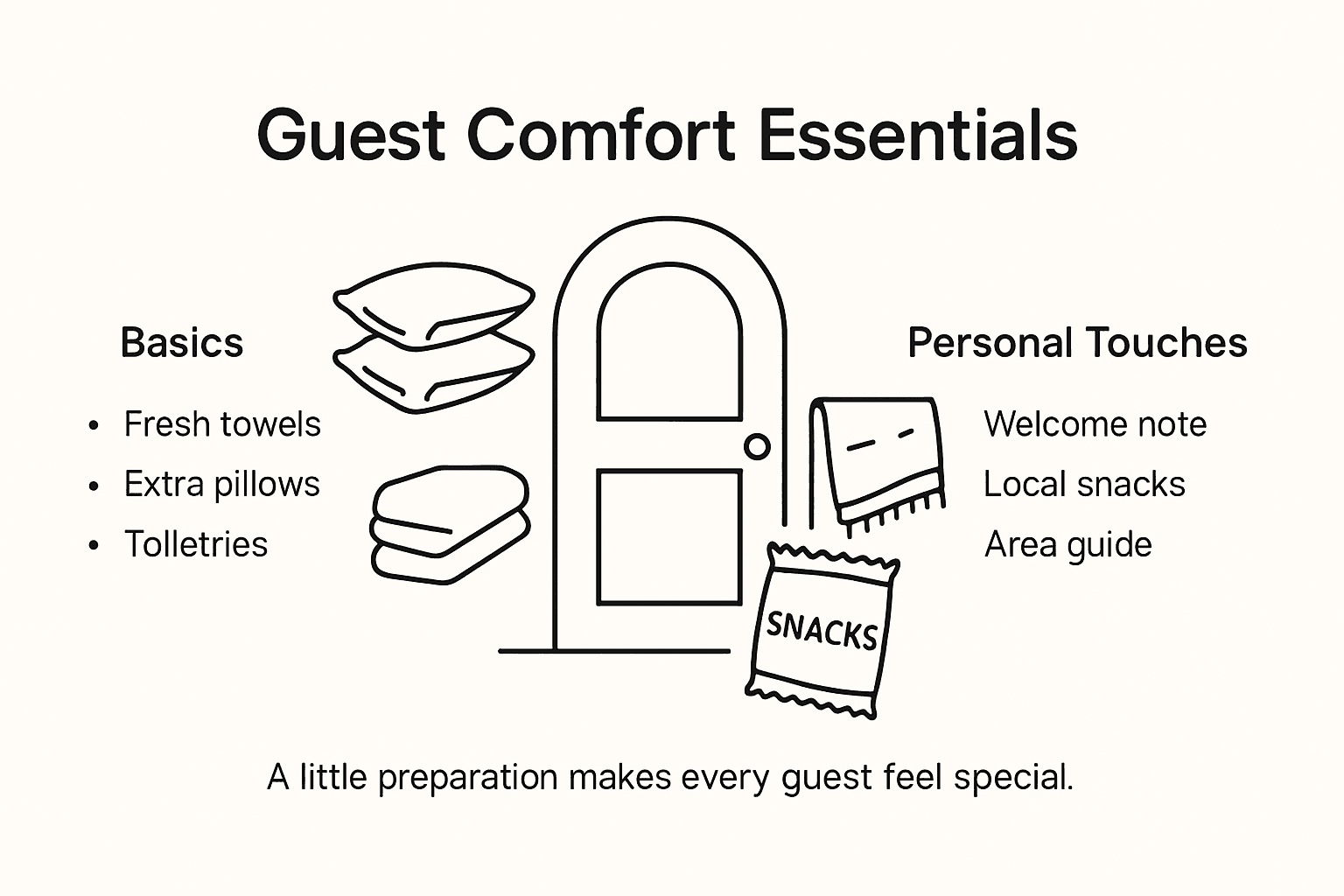
Pro tip: Create a discreet guest welcome basket with essential amenities like travel-sized toiletries, local area recommendations, extra phone chargers, and a handwritten welcome note to make guests feel immediately comfortable and appreciated.
Common Hosting Mistakes to Avoid
Common hosting challenges reveal that well-intentioned hosts often inadvertently create uncomfortable experiences through seemingly minor oversights. The most critical errors typically stem from a lack of preparation, poor communication, and insufficient attention to guest preferences. Understanding these potential pitfalls is crucial for creating a welcoming environment that makes guests feel genuinely appreciated and comfortable.
Research on hosting dynamics highlights several key mistakes that can quickly undermine a guest’s experience. These include last-minute preparation, which creates unnecessary stress; overcomplicating events with elaborate plans; and failing to remain present and engaged with guests. Hosts often become so focused on creating a perfect environment that they lose sight of the most important aspect of hospitality - genuine connection and personal interaction.
This table summarizes common hosting mistakes and proactive solutions:
| Hosting Mistake | Why It Happens | Proactive Solution |
|---|---|---|
| Overcomplicating plans | Trying to impress guests | Simplify agenda, stay present |
| Ignoring dietary needs | Lack of advance communication | Gather preferences before arrival |
| Insufficient seating | Underestimating guest numbers | Prepare adaptable seating options |
| Last-minute preparation | Poor time management | Use a checklist, prep early |
Successful hosting requires a delicate balance of preparation and flexibility. Common mistakes like ignoring dietary restrictions, providing inadequate seating, failing to communicate schedule changes, or overwhelming guests with too many activities can quickly transform a potentially enjoyable visit into an uncomfortable experience. The most effective hosts remain attentive to individual guest needs, create adaptable spaces, and prioritize comfort and connection over perfection. This means being willing to adjust plans, listen to unspoken needs, and create an atmosphere of genuine warmth and inclusivity.
Pro tip: Develop a simple hosting checklist that includes dietary preferences, potential accessibility needs, and communication plan to help you anticipate and address guest requirements before they become problems.
Elevate Your Hospitality with Personalized Home Decor
Making guests feel genuinely welcome means creating a space that reflects warmth, comfort, and meaningful connection. The challenge many hosts face is bridging the gap between functional hosting and authentic emotional engagement. This article highlights the importance of personalized touches and thoughtful preparation to transform your home into a welcoming sanctuary where guests feel truly valued.
Discover how you can enhance your guest experience with custom-made decor that tells your story. At FunLifeNow, you will find beautifully crafted American-made blankets, canvas wall art, and metal signs that can be personalized with names, dates, and heartfelt messages. These unique accents serve as conversation starters and create a truly integrative hosting environment tailored to your lifestyle and guest preferences. Don’t wait—explore our collection and start making every visit memorable with meaningful home accents designed to delight and comfort. Visit FunLifeNow now to personalize your welcome and turn your home into a warm haven.
Frequently Asked Questions
How can I create a welcoming environment for guests at home?
You can create a welcoming environment by personalizing your space with meaningful decor, ensuring guest comfort with practical amenities, and demonstrating genuine interest in your guests. Consider setting up a dedicated guest area with essentials like extra blankets and chargers.
What are some common hosting mistakes to avoid?
Common hosting mistakes include last-minute preparation, overcomplicating events, ignoring dietary needs, and providing insufficient seating. Being well-prepared and attentive to guest preferences can prevent discomfort and enhance the overall experience.
What are the different types of hosting styles?
The two primary hosting styles are functional hosting, which focuses on meeting guest needs in a structured way, and integrative hosting, which blends guest accommodations with the host’s lifestyle, allowing for a more relaxed and inclusive atmosphere.
How can personalized decor enhance my guests’ experience?
Personalized decor can enhance the guest experience by making the environment feel more intimate and inviting. Displaying family photos, cultural artifacts, and meaningful memorabilia can create conversation starters and help guests feel a deeper connection to your home.