
7 Sustainable Home Decor Ideas for Eco-Friendly Living
Every year, over 250 million tons of trash are generated in the United States, much of it from disposable products and home goods. For eco-conscious homeowners and thoughtful gift shoppers, the quest for meaningful change starts at home with smart choices. By embracing unique, personalized American-made decor crafted from sustainable materials, you can express your values while supporting responsible craftsmanship and keeping stories alive in every room.
Table of Contents
- 1. Choose American-Made, Eco-Friendly Materials
- 2. Opt for Personalized Decor to Reduce Waste
- 3. Repurpose Old Items Into Stylish Accents
- 4. Select Durable, Long-Lasting Products
- 5. Use Natural Fibers for Blankets and Textiles
- 6. Support Slow Craftsmanship and Local Artisans
- 7. Gift Sustainable Decor for Meaningful Occasions
Quick Summary
| Takeaway | Explanation |
|---|---|
| 1. Choose Sustainable Materials | Opt for American-made, eco-friendly materials like bamboo and reclaimed wood to reduce environmental impact and support local economies. |
| 2. Embrace Personalization | Custom decor pieces connect emotionally, reduce waste, and extend the lifecycle of home goods, promoting sustainable consumption. |
| 3. Repurpose Items Creatively | Transforming old items into new decor reduces waste and showcases personal style while contributing to sustainability efforts. |
| 4. Invest in Durability | Select long-lasting products made from solid materials to minimize waste and ensure your decor stands the test of time. |
| 5. Support Local Artisans | Buying from local craftsmen promotes environmentally responsible practices and helps sustain community economies through slow craftsmanship. |
1. Choose American-Made, Eco-Friendly Materials
Sustainable home decor starts with making smart material choices that protect our planet while supporting local manufacturing. When you select eco-friendly materials produced in the United States, you simultaneously reduce environmental impact and boost the national economy.
American manufacturing has a significant opportunity to lead sustainable production. Sustainable materials like bamboo, hemp, and recycled cork represent innovative solutions that minimize waste and carbon footprints. These renewable resources require less energy to process and offer remarkable durability compared to traditional manufacturing materials.
By prioritizing American-made products, you directly support sustainable industrial practices and local workers. The manufacturing sector increasingly focuses on reducing environmental strain through responsible sourcing, energy efficient production methods, and recycling initiatives. This commitment means every purchase becomes an investment in both ecological preservation and domestic economic strength.
When shopping for home decor, look for certifications indicating sustainable production. Materials like reclaimed wood, recycled metal, organic cotton, and rapidly renewable resources such as bamboo should be your primary targets. These materials not only look beautiful but tell a story of environmental responsibility and craftsmanship.
Pro tip: Research local American manufacturers who specialize in sustainable home decor and prioritize transparency about their production processes and material sourcing.
2. Opt for Personalized Decor to Reduce Waste
Personalized home decor represents a powerful strategy for sustainable living. By choosing custom pieces that genuinely reflect your style and needs, you can significantly reduce unnecessary consumption and waste.
Consumer trends increasingly show that personalized items minimize environmental impact by promoting meaningful ownership and extending the lifecycle of home goods. Mass produced decor often ends up discarded, while customized pieces create emotional connections that encourage long term use and care.
Custom decor allows you to transform existing resources into unique home accents. This approach means repurposing materials, supporting local artisans, and creating items that perfectly match your aesthetic without contributing to global waste streams. Whether redesigning an old picture frame, commissioning a local woodworker to craft a personalized shelf, or selecting decor pieces that can adapt to multiple spaces, personalization becomes a sustainable design choice.
Furthermore, personalized decor tells a story. Each piece becomes more than just an object it represents your individual journey, memories, and values. This emotional investment naturally discourages disposable consumer behavior and promotes mindful purchasing.
Pro tip: Before purchasing new decor, evaluate items you already own and consider how personalization or minor modifications could transform them into meaningful, sustainable pieces.
3. Repurpose Old Items Into Stylish Accents
Transforming old items into unique home decor is a creative way to reduce waste and add personal character to your living spaces. Repurposing allows you to breathe new life into forgotten objects while supporting sustainable living practices.
Sustainable interior design celebrates the art of creative material reuse, turning potential waste into stunning decorative elements. An old wooden ladder can become a rustic bookshelf, vintage mason jars can transform into elegant light fixtures, and retired wine crates can be reimagined as stylish wall shelving.
The process of repurposing goes beyond aesthetic appeal. It significantly reduces environmental waste by extending the lifecycle of existing materials. Instead of discarding items that seem worn or outdated, consider how their inherent character can be highlighted through creative redesign. Sanding, painting, or reupholstering can dramatically change an item’s appearance and function.
Some remarkable repurposing ideas include converting antique windows into picture frames, transforming old maps into wall art, using vintage suitcases as unique side tables, or turning retired agricultural tools into decorative wall hangings. Each piece tells a story and adds a layer of sustainability to your home environment.
Pro tip: Before throwing anything away, pause and imagine alternative uses that could give the item a second life as a functional or decorative element in your home.
4. Select Durable, Long-Lasting Products
Choosing home decor that stands the test of time is more than a design decision it is an environmental commitment. Durable products reduce waste, minimize consumption, and create a more sustainable living environment.
Sustainable interior design emphasizes the critical role of long lasting materials in reducing environmental impact, highlighting how thoughtful product selection can dramatically lower our carbon footprint. Materials like solid hardwood, high quality metal, and natural fibers such as hemp offer exceptional longevity compared to cheaper, disposable alternatives.
When shopping for home decor, look beyond immediate aesthetics and consider the product’s potential lifespan. Investing in well crafted pieces made from robust materials means fewer replacements and less waste. Quality furniture with timeless design transcends seasonal trends, providing both visual appeal and environmental responsibility.
Consider natural materials known for durability. Bamboo furniture, reclaimed wood shelving, and ceramic decor pieces demonstrate remarkable resilience. These materials not only withstand daily use but also age beautifully, developing a rich patina that tells a story of sustained craftsmanship and mindful consumption.
Pro tip: Prioritize products with solid construction, minimal synthetic components, and warranties that reflect the manufacturer’s confidence in long term performance.
5. Use Natural Fibers for Blankets and Textiles
Your home textiles can become a powerful statement of environmental responsibility when you choose natural fibers. These sustainable materials offer beauty, comfort, and an ecological advantage that synthetic alternatives simply cannot match.
Natural fibers represent a breakthrough in eco friendly home decor, providing remarkable benefits for both your living space and the planet. Materials like organic cotton, bamboo, hemp, and wool stand out as champions of sustainable textile production, each offering unique properties that go beyond traditional fabric choices.
Organic cotton breathes beautifully and requires significantly less water during production compared to conventional cotton. Bamboo fabric provides natural temperature regulation and antimicrobial properties, making it ideal for blankets and throw pillows. Hemp textiles are incredibly durable, resistant to mildew, and require minimal pesticides during cultivation.
When selecting natural fiber textiles, look for certifications that validate sustainable production practices. Global Organic Textile Standard certified products ensure environmentally and socially responsible manufacturing. Consider investing in versatile pieces like organic cotton throws, bamboo blankets, or hemp accent pillows that can transform your space while supporting ecological principles.
Pro tip: Wash natural fiber textiles in cold water and air dry whenever possible to preserve their integrity and extend their functional lifespan.
6. Support Slow Craftsmanship and Local Artisans
Slow craftsmanship represents more than an aesthetic choice it is a powerful statement of sustainability and cultural preservation. By supporting local artisans, you create a meaningful connection between your home decor and responsible consumption.
Local artisan production offers a sustainable alternative to mass manufacturing, reducing carbon emissions and supporting community economic resilience. Each handcrafted piece tells a story of skill, tradition, and environmental consciousness that factory produced items simply cannot replicate.
When you choose handmade products, you invest in more than just an object. You support small business owners who often utilize sustainable materials and techniques that respect ecological boundaries. Local woodworkers, ceramicists, textile artists, and metalworkers frequently prioritize environmentally responsible practices that minimize waste and maximize material efficiency.
Seek out local craft markets, community art fairs, and small workshops where artisans showcase their work. Look for items made with reclaimed materials, natural dyes, or sustainable production methods. Consider pottery from local ceramicists, hand woven textiles, carved wooden decor, or metal art pieces that reflect both artistic skill and environmental mindfulness.
Pro tip: Ask artisans about their materials and production methods to understand the true sustainability of their craftsmanship and build a meaningful connection with the creators behind your home decor.
7. Gift Sustainable Decor for Meaningful Occasions
Sustainable gift giving transforms ordinary occasions into powerful opportunities for environmental advocacy and personal connection. By selecting thoughtful, eco-friendly decor, you create meaningful experiences that extend far beyond traditional gift exchanges.
Sustainable gifting encourages mindful consumption while celebrating special moments in ways that traditional presents cannot match. Each carefully chosen piece becomes a statement about environmental responsibility and personal values.
Consider gifting items that tell a story and support ecological principles. Handcrafted wooden picture frames made from reclaimed timber, ceramic vases created by local artisans, organic cotton throw blankets, or custom wall art featuring sustainable materials can serve as memorable gifts. These items not only beautify living spaces but also communicate a commitment to environmental stewardship.
Beyond the physical gift, sustainable decor presents an opportunity to educate and inspire. When you choose gifts that highlight craftsmanship, durability, and ecological consciousness, you invite recipients to reimagine their relationship with material possessions. Each gift becomes a conversation starter about sustainable living practices and mindful consumption.
Pro tip: Include a small note explaining the sustainability story behind your gift to help recipients understand the meaningful impact of their new decor piece.
Below is a comprehensive table summarizing sustainable home decor concepts discussed throughout the article.
| Concept | Explanation | Key Points |
|---|---|---|
| Choose American-Made, Eco-Friendly Materials | Opt for materials produced sustainably within the United States to promote local economies and reduce emissions. | Materials like bamboo, hemp, and recycled cork are sustainable and durable. Support local manufacturers for transparency in production processes. |
| Opt for Personalized Decor | Custom decor pieces offer a unique style and reduce unnecessary consumption. | Personalized items encourage long-term use and repurpose existing resources for sustainable living. |
| Repurpose Old Items | Reuse existing objects creatively to transform them into new stylish accents. | Examples include converting old ladders to bookshelves and transforming antique windows into frames. Minimizes waste by extending material life. |
| Select Durable Products | Prioritize longevity in decor item selection to minimize replacement and waste. | Materials such as solid hardwood, metal, and natural fibers offer lasting durability and timeless aesthetics. |
| Use Natural Fiber Textiles | Choose textiles made from organic materials to ensure sustainability. | Options include organic cotton, bamboo, and hemp, each offering environmental benefits and comfort. |
| Support Local Artisans | Invest in handmade items to promote sustainability and preserve craftsmanship traditions. | Purchasing locally handcrafted items reduces emissions and supports community artisans. |
| Gift Sustainable Decor | Offer eco-friendly home decor items as meaningful gifts. | Examples of gifts include handwoven blankets, reclaimed wood frames, and artisan-crafted ceramics, emphasizing environmental responsibility. |
Elevate Your Eco-Friendly Living with Personalized Sustainable Decor
Sustainable home decor is all about creating meaningful, lasting beauty while honoring the environment and American craftsmanship. If you want to reduce waste and support local artisans with custom pieces that reflect your unique style, explore our Personalized Glass Cutting Boards – FunLifeNow. 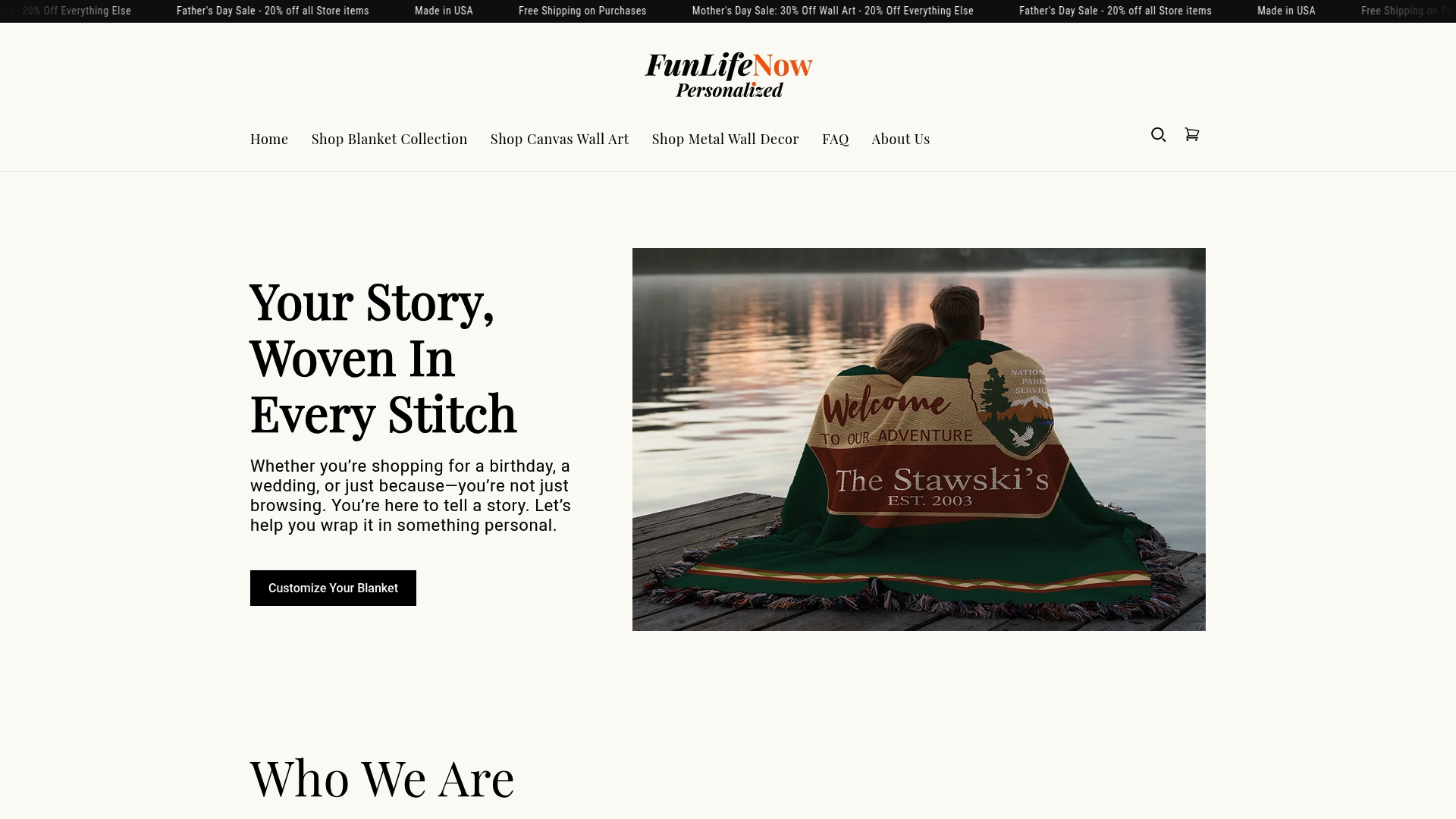
Start your journey towards a more sustainable home today by choosing high-quality, durable decor designed to last and tell a story. Visit FunLifeNow and discover handcrafted products you can personalize to reduce unnecessary consumption and celebrate responsible living. Don’t wait—bring eco-friendly elegance and emotional connection into your space now.
Frequently Asked Questions
How can I choose eco-friendly materials for my home decor?
To choose eco-friendly materials for your home decor, prioritize American-made products that use sustainable resources like bamboo, hemp, and recycled cork. Start by researching local manufacturers who specialize in eco-friendly materials and check for certifications that indicate responsible sourcing.
What are some personalized decor ideas that reduce waste?
Personalized decor ideas that reduce waste include customizing existing items, such as repainting an old piece of furniture or commissioning a local artisan to create a unique item. Focus on transforming what you already have to create meaningful decor that encourages long-term use and discourages disposable habits.
What are some creative ways to repurpose old items at home?
You can creatively repurpose old items by transforming them into functional or decorative pieces, like using an old ladder as a bookshelf or turning vintage jars into light fixtures. Look around your home for items that could be redesigned or adapted to add unique character to your space.
How do I choose durable and long-lasting home decor items?
To choose durable and long-lasting home decor items, focus on high-quality materials like solid hardwoods, metals, and natural fibers. Prioritize pieces that come with a warranty to ensure they will last for years and reduce the need for replacements.
What natural fibers should I consider for home textiles?
Consider natural fibers like organic cotton, bamboo, hemp, and wool for your home textiles. When selecting these materials, look for certifications that confirm their sustainable production, and aim to choose versatile items that can enhance your living space while being eco-friendly.
How can supporting local artisans impact sustainability?
Supporting local artisans positively impacts sustainability by reducing carbon emissions associated with mass production and helping to preserve traditional craftsmanship. Engage with local craft markets or workshops to find unique pieces made from sustainable materials that also tell a story.