
Storytelling in Interior Design: Creating Meaningful Homes
Nearly 80 percent of American homeowners say their living spaces feel impersonal at some stage. As daily life unfolds, rooms can easily become generic, missing those special touches that tell a unique story. Personalized decor anchored in storytelling not only transforms interiors but also turns gifts into lasting, meaningful memories for any occasion. Discover how curated design choices can create authentic, emotionally rich homes that genuinely reflect individual American journeys.
Table of Contents
- What Is Storytelling in Interior Design
- Types of Story-Driven Interior Styles
- Key Elements for Creating a Personal Narrative
- Benefits of Personalized Decor in American Homes
- Common Mistakes to Avoid in Storytelling Design
Key Takeaways
| Point | Details |
|---|---|
| Storytelling Significance | Interior design can be a powerful form of personal expression, creating spaces that narrate individual experiences and identities. |
| Cultural and Personal Styles | Various story-driven design styles, such as Cultural Narrative and Luxury Storytelling, enhance spaces with deep emotional connections. |
| Meaningful Artifacts | Incorporating significant personal items into design fosters a stronger connection to the home and its narrative. |
| Common Design Pitfalls | Avoid aesthetic overload, neglecting functionality, and relying on inauthentic narratives to create impactful and meaningful spaces. |
What Is Storytelling in Interior Design
Storytelling in interior design transforms living spaces from mere physical environments into deeply meaningful narratives that reflect personal journeys, emotions, and identities. At its core, this approach transcends traditional decorative practices by creating immersive experiences that communicate who we are beyond surface-level aesthetics.
The concept involves strategically curating design elements that collectively narrate a specific story or evoke particular emotional responses. By integrating personal artifacts, intentional color palettes, meaningful textures, and carefully planned layouts, homeowners can transform their spaces into authentic representations of their lives. Narrative design goes beyond selecting furniture or wall colors — it’s about crafting an environment that speaks directly to individual experiences, memories, and aspirations.
Storytelling in interior design functions as a powerful communication tool that helps individuals express their unique identities through spatial design. This approach considers every design choice as a potential narrative element, from family photographs and inherited furniture to custom artwork and color selections that symbolize personal journeys. The goal is to create spaces that not only look beautiful but also feel deeply personal and emotionally resonant.
Design professionals understand that our living environments are more than just physical structures — they are extensions of our personal stories. By treating interior spaces as dynamic narratives rather than static arrangements, we can create homes that evolve with us, reflect our growth, and provide genuine emotional comfort.
Pro tip: Start your storytelling design journey by collecting meaningful objects that represent significant life moments, using them as foundational pieces for your interior narrative.
Types of Story-Driven Interior Styles
Storytelling through interior design reveals multiple unique narrative approaches that transform spaces into rich, meaningful environments. These design styles range from cultural expressions to personal memory landscapes, each offering a distinctive method of communicating identity and experience through spatial design.
The first prominent category is Cultural Narrative Design, which incorporates traditional motifs, historical references, and geographical influences into interior spaces. This style often blends regional artistic traditions with contemporary aesthetics, creating environments that honor heritage while remaining modern. Southeast Asian interiors, for example, might combine intricate traditional textile patterns with minimalist furniture, telling a story of cultural evolution and preservation.
Luxury interior design represents another sophisticated storytelling approach, emphasizing context and geographical narratives that communicate exclusivity and heritage. These designs go beyond aesthetic beauty, using carefully selected materials, artworks, and architectural elements to represent complex cultural and personal histories. A luxury interior might incorporate rare materials from a family’s ancestral region, vintage photographs, or commissioned artwork that reflects personal milestones.
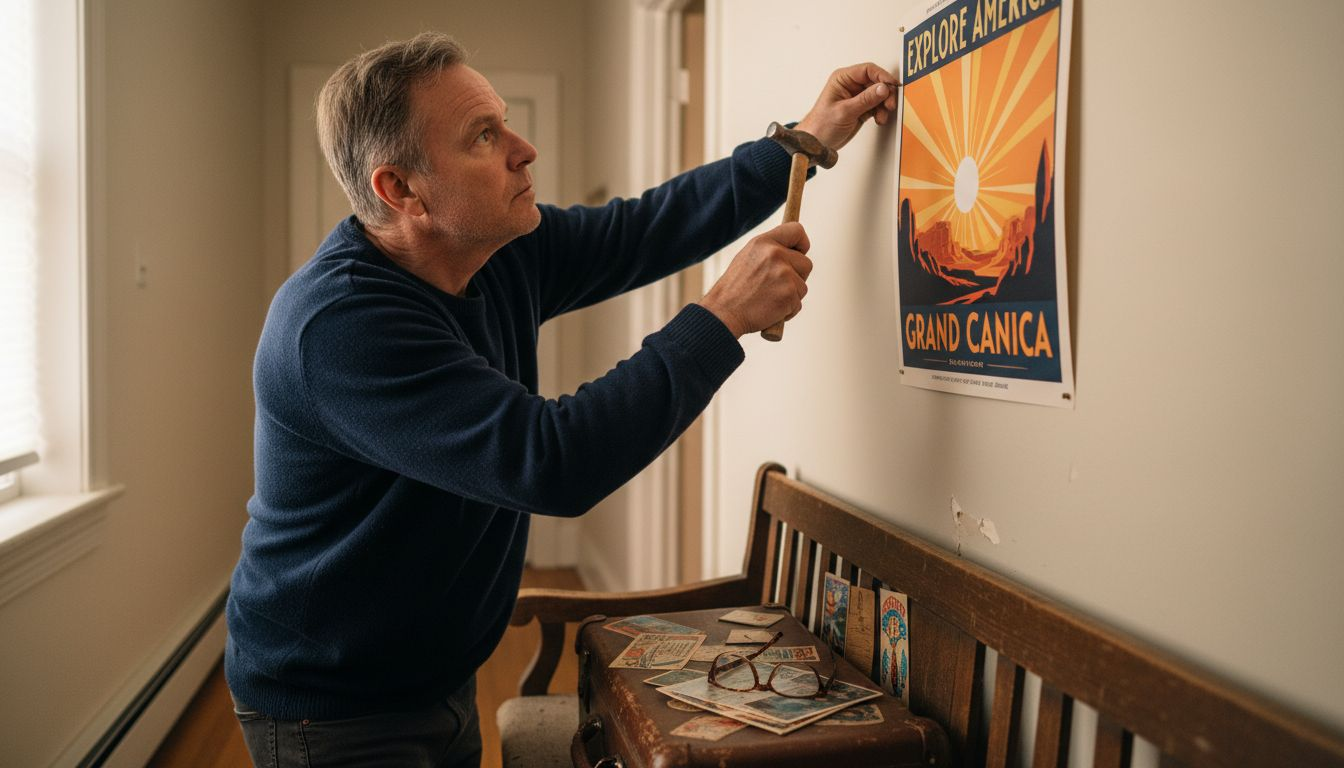
Personal memory-based design emerges as another powerful storytelling style, where individual life experiences become the primary design inspiration. This approach transforms living spaces into biographical landscapes, with each design element serving as a chapter in the inhabitant’s personal narrative. Family heirlooms, travel souvenirs, and custom artwork become critical components that transform rooms into deeply personal spatial autobiographies.
Pro tip: When developing a story-driven interior design, focus on selecting design elements that have genuine personal meaning rather than choosing items solely for aesthetic appeal.
Here’s a comparison of the main story-driven interior design styles and their core elements:
| Style Type | Main Focus | Signature Elements | Typical Emotional Effect |
|---|---|---|---|
| Cultural Narrative | Honoring heritage | Traditional patterns, local art | Connection to roots |
| Luxury Storytelling | Showcasing exclusivity and history | Rare materials, bespoke artwork | Sense of prestige |
| Personal Memory-Based | Reflecting individual life stories | Heirlooms, souvenirs, keepsakes | Deeply personal comfort |
Key Elements for Creating a Personal Narrative
Crafting a compelling personal narrative in interior design requires thoughtful integration of meaningful elements that transform spaces into living stories. This process goes beyond mere decoration, focusing on curating design components that authentically represent individual experiences, memories, and emotional landscapes.
The first critical element is Meaningful Artifacts. These are personal objects that carry deep significance — family heirlooms, travel souvenirs, inherited artwork, or cherished memorabilia that document personal journeys. Each artifact serves as a storytelling anchor, providing visual and emotional context to the space. A vintage photograph from grandparents’ wedding, a handwoven textile from a memorable trip, or a collection of childhood books can instantly transform a room into a deeply personal narrative landscape.
Thematic design elements play a crucial role in translating personal stories into spatial experiences. Color palettes become powerful storytelling tools, with specific hues evoking memories, emotions, and personal histories. Textures and materials further enhance the narrative, offering sensory connections to different life chapters. For instance, a rough-hewn wooden table might represent resilience, while soft, layered textiles could symbolize comfort and nurturing.
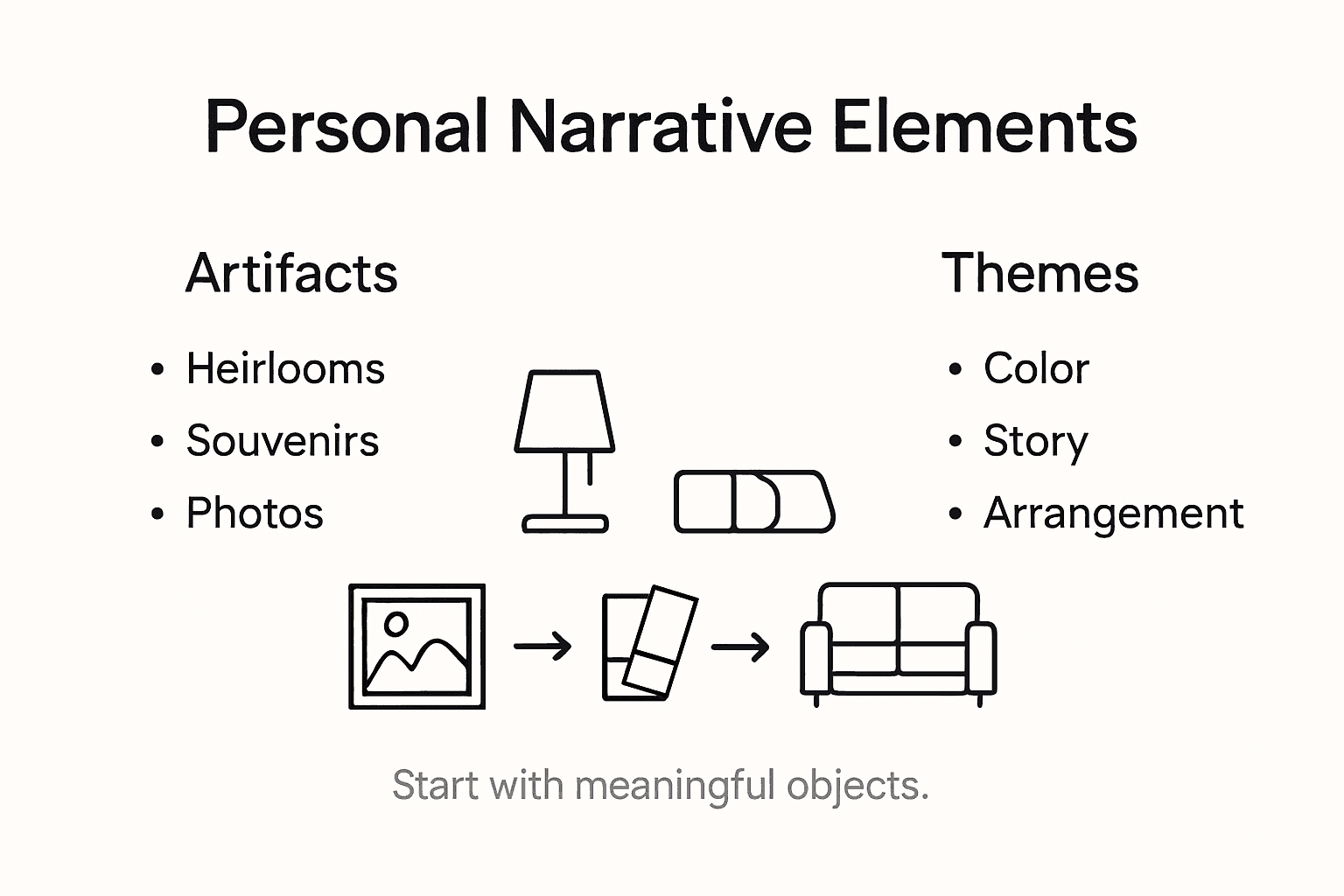
Symbolic spatial arrangement emerges as another key narrative strategy. Furniture placement, artwork positioning, and architectural elements can be deliberately choreographed to reflect personal values, relationships, and life philosophies. An open living area might symbolize a desire for connection, while carefully curated display spaces can highlight personal achievements, cultural heritage, or transformative life moments.
Pro tip: Create a personal mood board that collects meaningful objects, color swatches, and images before starting your design process to clarify your narrative vision.
Benefits of Personalized Decor in American Homes
Personalized decor transforms living spaces from generic environments into deeply meaningful reflections of individual identity and personal history. American homeowners increasingly recognize that their living spaces are more than mere physical structures — they are emotional landscapes that narrate personal journeys, values, and connections.
One profound benefit is the creation of Emotional Sanctuary. Personalized decor helps individuals craft environments that provide genuine comfort and psychological support. By integrating objects with deep personal significance — family photographs, inherited furniture, travel mementos — homeowners create spaces that offer emotional refuge. These carefully curated environments become more than just rooms; they transform into intimate narratives that provide psychological grounding and a sense of belonging.
Personalized interiors contribute significantly to emotional well-being by supporting individual identity and promoting social connections. When homes reflect personal stories, they become conversation starters, inviting meaningful interactions and deeper understanding among family members and guests. Each design element becomes a potential dialogue trigger, helping people share their experiences, memories, and cultural backgrounds through their living spaces.
Moreover, personalized decor supports sustainability by valuing intentionality over transient trends. Instead of constantly replacing furniture to match changing design fashions, Americans are investing in pieces that carry lasting personal meaning. This approach not only reduces waste but also creates living environments that evolve organically with the inhabitants, preserving memories and supporting long-term emotional investment in one’s home.
Pro tip: Begin your personalization journey by selecting three meaningful objects that represent different life stages, using them as anchors for your home’s narrative design.
Common Mistakes to Avoid in Storytelling Design
Storytelling design requires nuanced understanding to create authentic, meaningful interior spaces that genuinely reflect personal narratives. While the intention to personalize living environments is commendable, several critical pitfalls can undermine the entire design approach and transform potentially powerful spaces into superficial or disconnected experiences.
One significant mistake is Aesthetic Overload, where designers prioritize visual appeal over meaningful narrative coherence. This approach leads to spaces that might look impressive but feel emotionally hollow. Homeowners sometimes become so focused on creating a visually striking environment that they lose sight of the underlying story. Cramming too many design elements or trying to incorporate every single meaningful object can create visual chaos that dilutes the intended emotional message, making the space feel cluttered and disjointed rather than intentional.
Functional integrity is another crucial consideration that designers frequently overlook when pursuing storytelling objectives. A beautifully curated space must still serve practical daily needs. Many storytelling design attempts fail because they neglect basic ergonomics and usability, transforming potentially meaningful environments into impractical showpieces. The most successful narrative designs seamlessly integrate personal stories with functional requirements, ensuring that every design element serves both an emotional and practical purpose.
Perhaps the most profound mistake is creating inauthentic narratives that do not genuinely reflect the inhabitants’ experiences. Generic or commercially inspired design choices that lack personal connection can make spaces feel artificial and disconnected. Successful storytelling design demands deep, thoughtful engagement with personal histories, cultural backgrounds, and individual aspirations. It requires careful curation and a willingness to embrace imperfection and genuine personal expression over trending design aesthetics.
Use this table to quickly reference key storytelling design mistakes and their impact:
| Common Mistake | Description | Negative Outcome |
|---|---|---|
| Aesthetic Overload | Choosing visuals over meaning | Cluttered, emotionally empty |
| Ignoring Functionality | Over-focusing on narrative, forgetting usability | Impractical, hard to live with |
| Inauthentic Narratives | Relying on generic or trend-driven choices | Feels artificial, lacks warmth |
Pro tip: Before finalizing your design, photograph the space and ask trusted friends or family members if the environment genuinely feels like “you”.
Bring Your Home’s Story to Life with Personalized Decor
Creating a meaningful home that truly reflects your personal journey can be challenging. This article highlights how storytelling in interior design transforms living spaces into emotional sanctuaries filled with authentic memories and identity. If you struggle with finding decor that captures your unique narrative or worry about creating spaces that feel both beautiful and personal, FunLifeNow offers custom-made decor designed exactly for that purpose. Our American-made blankets, canvas wall art, and metal signs can be personalized with names, dates, and heartfelt messages to help you craft a space full of emotional resonance and timeless stories.
Discover how adding personalized accents can deepen the stories your home tells. Start by exploring our unique collection at FunLifeNow and learn about our simple customization process. Don’t wait to turn your memories and values into lasting decor. Visit us today to find meaningful home accents that celebrate your identity and create an emotional sanctuary you and your family will cherish.
Frequently Asked Questions
What is storytelling in interior design?
Storytelling in interior design is the practice of curating design elements that reflect personal journeys, emotions, and identities. It transforms spaces into meaningful narratives rather than just decorative environments.
How can I create a personal narrative in my home?
Begin by collecting meaningful artifacts, such as family heirlooms or travel souvenirs. Use these items as foundational pieces in your design, and consider color palettes and textures that evoke specific emotions tied to your memories.
What should I avoid when designing a story-driven interior?
Avoid aesthetic overload, where visual appeal is prioritized over meaningful narrative coherence. Additionally, ensure that your space remains functional; it should serve practical daily needs while reflecting your personal story.
Why is personalized decor important in creating a home?
Personalized decor transforms your living space into an emotional sanctuary. It reflects your identity, promotes comfort, and fosters social connections by encouraging conversation and sharing experiences through your environment.