
What Is Farmhouse Style and Why It Matters
Most people assume farmhouse style means a rustic look, but authentic American farmhouse decor is more sophisticated than it seems. For Midwest homeowners, creating a welcoming space for family gatherings is about more than following trends. Over 60% of Midwest families choose farmhouse-inspired interiors because they value comfort and lasting quality. This guide uncovers surprising truths, debunks myths, and shows how personal touches make each home uniquely meaningful.
Table of Contents
- Farmhouse Style Defined and Common Myths
- History and Evolution of Farmhouse Decor
- Popular Types and Key Characteristics
- Why Farmhouse Decor Appeals to Midwest Homes
- Personalizing Farmhouse Style for Family Spaces
Key Takeaways
| Point | Details |
|---|---|
| Authenticity in Design | Focus on genuine farmhouse aesthetics that reflect personal stories and quality craftsmanship. |
| Cultural Connection | Farmhouse decor embodies regional heritage and practical living, especially in the Midwest. |
| Variety of Styles | Explore different farmhouse styles to find one that resonates with your aesthetic and functional needs. |
| Personalization is Key | Infuse your space with family heirlooms and personal artifacts to enhance the uniqueness of your home. |
Farmhouse Style Defined and Common Myths
The farmhouse style is far more complex than many people realize. Far from being a simple aesthetic, it represents a rich architectural and design tradition deeply rooted in American rural life. Traditional farmhouses originally served as functional living spaces where form followed function, blending practical necessity with regional architectural influences.
Contrary to popular belief, farmhouse style isn’t about looking deliberately rustic or outdated. Instead, it’s a nuanced design approach that celebrates simplicity, craftsmanship, and connection to rural heritage. 19th century design principles challenged architectural norms by promoting affordable, attractive homes that were both beautiful and practical. This philosophy transformed farmhouse design from purely utilitarian structures into spaces that balanced aesthetic appeal with everyday functionality.
Key characteristics of authentic farmhouse style include:
- Natural materials like reclaimed wood and stone
- Neutral color palettes with warm undertones
- Functional, unfussy design elements
- Emphasis on handcrafted details and quality construction
- Open floor plans that facilitate family gathering
Pro tip: When incorporating farmhouse style, focus on authenticity and personal connection rather than strictly following trend-based decorating rules.
History and Evolution of Farmhouse Decor
Farmhouse decor has deep roots in American agricultural history, evolving from purely functional spaces to expressions of regional identity and cultural heritage. New England farmhouse design between 1800 and 1850 marked a critical transformation, introducing specialized domestic areas that balanced practical needs with aesthetic sensibilities. These early architectural innovations reflected the changing landscape of rural American life, where homes became more than just shelters.
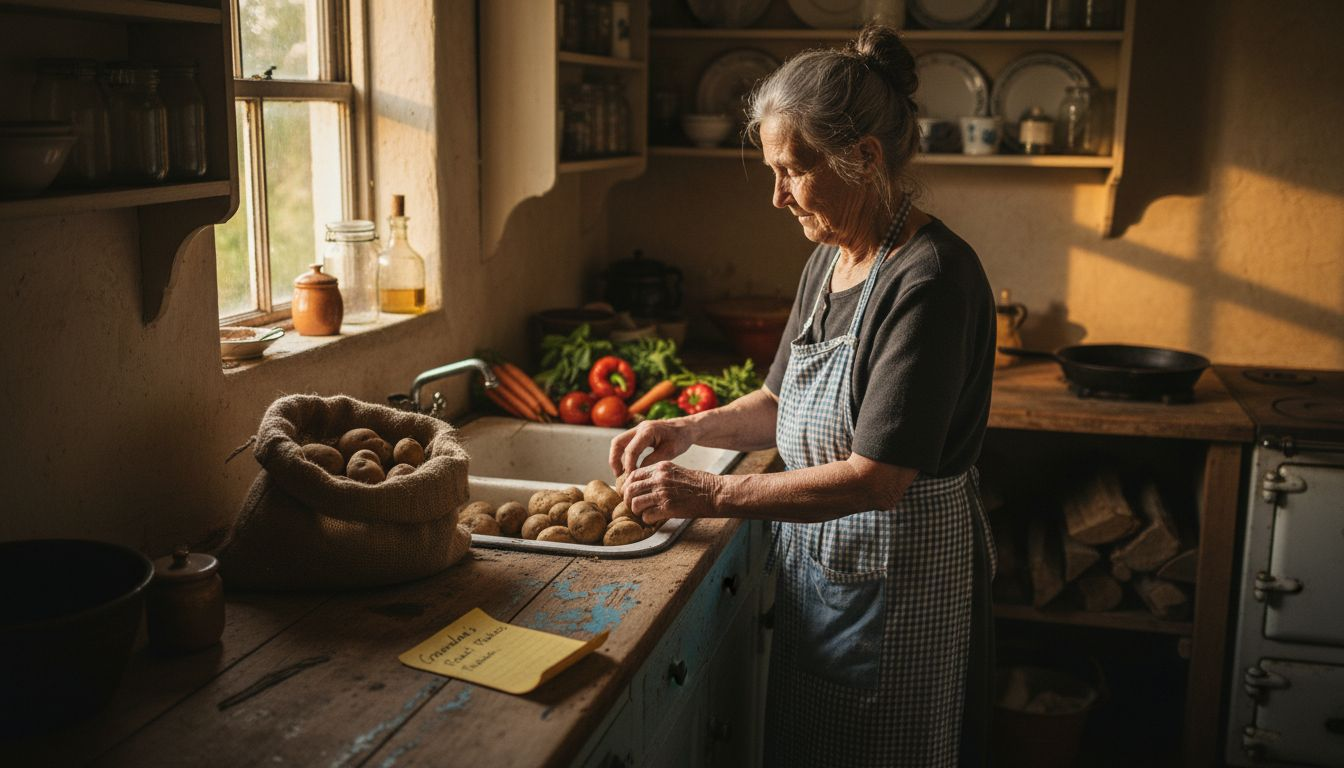
The architectural progression of farmhouse style tells a rich story of adaptation and resilience. Colonial farmhouse architecture exemplified how design responded to local environmental conditions and cultural influences. Dutch settlers, for instance, brought distinctive building techniques that integrated seamlessly with the American landscape, creating homes that were both structurally sound and visually distinctive.
Key historical transitions in farmhouse decor included:
- Shift from purely utilitarian structures to more personalized living spaces
- Integration of imported design elements from European architectural traditions
- Gradual incorporation of mass-produced decorative elements
- Increased emphasis on comfort and individual expression
- Adaptation to changing agricultural and economic landscapes
By the late 19th century, farmhouse style had transformed from a regional architectural necessity to a celebrated design aesthetic that honored rural traditions while embracing modern innovations. The style became a testament to American ingenuity and adaptability.
Pro tip: When researching farmhouse decor history, look beyond surface aesthetics and explore the cultural narratives embedded in architectural design.
Popular Types and Key Characteristics
Farmhouse style has evolved into several distinctive variations, each reflecting unique regional and design influences. Modern farmhouse architecture represents a contemporary interpretation that brilliantly balances traditional warmth with sleek, minimalist design principles. This approach creates spaces that feel simultaneously timeless and current, appealing to homeowners seeking both comfort and sophistication.
Traditional farmhouse styles vary significantly across different geographic regions. European farmhouse designs like the Frisian model demonstrate how agricultural architecture can integrate living and working spaces under one roof, showcasing remarkable architectural ingenuity. In the American context, regional variations emerged based on local materials, climate conditions, and cultural backgrounds.
Key farmhouse style types include:
- Modern Farmhouse: Clean lines, neutral colors, minimal decorative elements
- Industrial Farmhouse: Exposed metal accents, mechanical details, raw textures
- Rustic Farmhouse: Heavy use of reclaimed wood, vintage accessories, warm earth tones
- Scandinavian Farmhouse: Minimalist design, white color palette, functional simplicity
- French Country Farmhouse: Soft colors, ornate details, elegant rural aesthetic
Understanding these variations allows homeowners to select a farmhouse style that genuinely reflects their personal aesthetic and lifestyle preferences. Each type offers a unique approach to blending traditional charm with contemporary design sensibilities.
Here’s a comparison of popular farmhouse style types and how they influence interior atmosphere:
| Style Type | Visual Feel | Common Materials | Best For |
|---|---|---|---|
| Modern Farmhouse | Sleek and airy | Clean-lined wood, metals | Open, bright interiors |
| Industrial Farmhouse | Raw and urban-inspired | Exposed metal, concrete | Lofts or city dwellings |
| Rustic Farmhouse | Cozy and weathered | Vintage wood, stone | Cottages, warm retreats |
| Scandinavian Farmhouse | Light and minimalistic | Pale woods, cotton, linen | Small or modern homes |
| French Country | Elegant and curated | Distressed wood, stone | Romantic, classic spaces |
Pro tip: Mix design elements from different farmhouse styles to create a personalized space that tells your unique story.
Why Farmhouse Decor Appeals to Midwest Homes
Farmhouse decor resonates deeply with Midwestern homeowners, reflecting a profound connection to regional heritage and practical living. Midwestern cultural landscapes have long celebrated design that honors agricultural roots while creating warm, functional living spaces. This style speaks directly to families who value authenticity, craftsmanship, and spaces that tell a story of resilience and community.
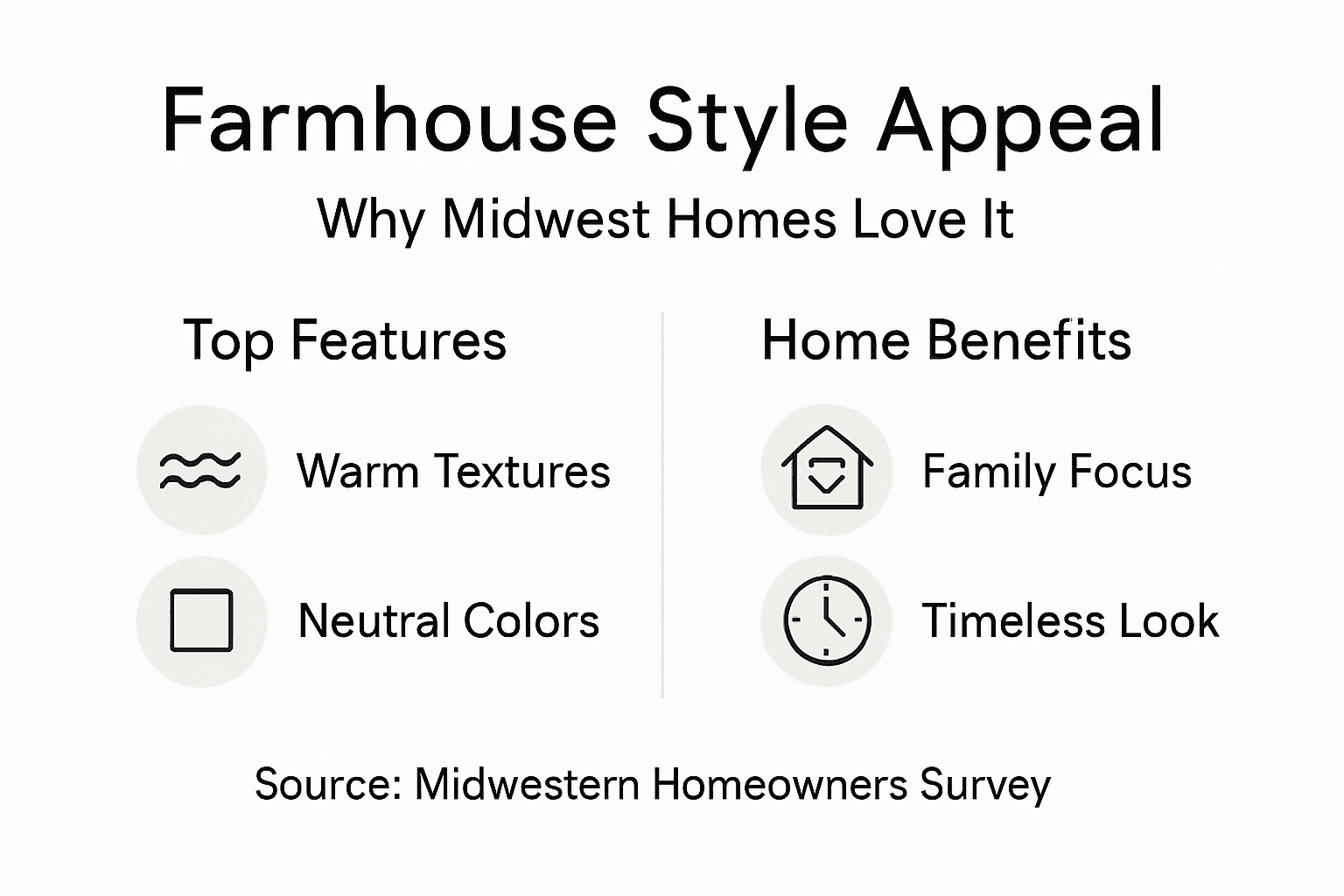
The appeal goes beyond aesthetic preferences. Farmhouse interiors capture the essence of Midwestern values: practicality, comfort, and a deep appreciation for traditional craftsmanship. The style’s emphasis on natural materials, neutral color palettes, and multipurpose spaces mirrors the region’s agricultural legacy and strong family-oriented culture.
Key characteristics that make farmhouse decor irresistible to Midwest homes include:
- Durable, high-quality materials that withstand harsh seasonal changes
- Comfortable gathering spaces that encourage family interaction
- Design elements that reflect local agricultural and cultural heritage
- Versatile decor that balances rustic charm with modern functionality
- Affordable and accessible design approach
For Midwestern families, farmhouse decor is more than a design trend. It’s a celebration of their cultural identity, a tribute to generations of hard work, and a way to create meaningful living spaces that feel both timeless and personal.
This summary highlights how Midwest values align with farmhouse decor features:
| Midwest Value | Farmhouse Decor Feature | Impact on Home Life |
|---|---|---|
| Resilience | Durable materials | Withstands tough winters |
| Family closeness | Open gathering spaces | Encourages shared activities |
| Frugality | Accessible design choices | Keeps costs manageable |
| Local heritage | Regional decor elements | Celebrates family identity |
Pro tip: Incorporate family heirlooms or vintage local artifacts to add authentic regional character to your farmhouse-inspired space.
Personalizing Farmhouse Style for Family Spaces
Personalizing farmhouse decor transforms generic spaces into meaningful family sanctuaries that tell a unique story. Farmhouse interior design goes beyond aesthetic choices, creating environments that reflect family history, values, and connections. By strategically blending rustic elements with personal touches, homeowners can craft spaces that feel both timeless and intimately familiar.
Modern farmhouse personalization requires thoughtful integration of family memories and contemporary design principles. Customized farmhouse interiors embrace versatility by incorporating industrial accents, Mid-Century Modern influences, and adaptive layouts that accommodate changing family dynamics. The goal is creating spaces that are simultaneously functional, comfortable, and deeply personal.
Effective personalization strategies include:
- Displaying family heirlooms alongside farmhouse decor elements
- Incorporating vintage photographs in rustic frames
- Using meaningful inherited furniture pieces
- Creating gallery walls with family memorabilia
- Selecting textiles and accessories that reflect family stories
Successful farmhouse personalization isn’t about perfection, but about creating authentic spaces that feel welcoming and genuinely representative of the family’s unique journey. Each carefully chosen element contributes to a narrative of comfort, history, and belonging.
Pro tip: Select one meaningful family artifact as a focal point and design your farmhouse space around its emotional significance.
Bring Farmhouse Style to Life with Personalized Home Decor
The farmhouse style article highlights the deep connection between authentic craftsmanship, family heritage, and meaningful spaces. If you want to overcome the challenge of creating a home that feels both timeless and uniquely yours, embracing personalized decor is key. Whether you resonate with rustic charm, modern farmhouse sleekness, or regional heritage, adding custom elements that tell your story makes all the difference.
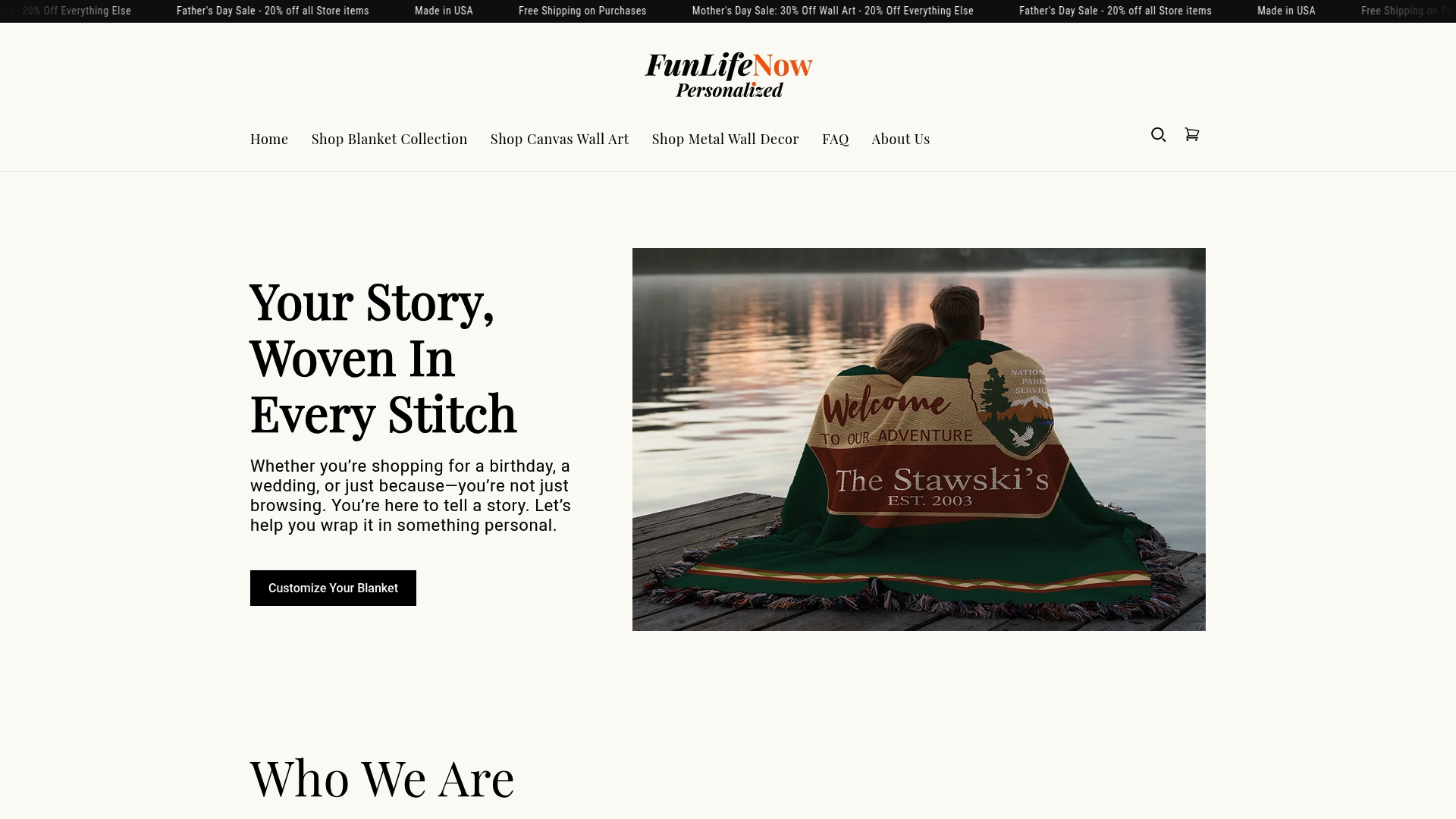
At FunLifeNow, you can find handcrafted, American-made home accents designed to capture your personal history and farmhouse spirit. From custom blankets to canvas wall art and metal signs, each product offers quality and durability paired with heartfelt personalization. Start your journey to a home that truly reflects your family’s resilience and warmth. Visit our homepage at FunLifeNow to explore unique ideas and make your farmhouse-inspired vision a reality now.
Frequently Asked Questions
What are the key characteristics of farmhouse style?
Farmhouse style is characterized by natural materials like reclaimed wood and stone, neutral color palettes with warm undertones, functional design elements, handcrafted details, and open floor plans that encourage family gatherings.
How has farmhouse decor evolved over time?
Farmhouse decor has evolved from purely functional spaces to expressions of regional identity, with significant transitions from utilitarian structures to personalized living spaces that incorporate both practical needs and aesthetic sensibilities.
What types of farmhouse styles are most popular?
Popular farmhouse styles include Modern Farmhouse, Industrial Farmhouse, Rustic Farmhouse, Scandinavian Farmhouse, and French Country Farmhouse, each offering unique design elements and atmospheres that cater to different preferences.
Why does farmhouse decor appeal to many homeowners?
Farmhouse decor appeals due to its emphasis on authenticity, comfort, and craftsmanship. It resonates with those who value simplicity, rich cultural heritage, and the creation of warm, inviting spaces that tell a personal story.