
What Is Engraving and Why Personalization Matters
Finding truly meaningful gifts can feel challenging, especially when it comes to marking major life moments like weddings or Mother’s Day. More than 60 percent of homeowners say they value personalized decor that reflects their story and style, yet many still struggle to find American-made options with genuine craftsmanship. Discover how American engraving traditions add depth, permanence, and heartfelt customization to home accents and gifts, transforming simple objects into lasting keepsakes.
Table of Contents
- Engraving Defined: Core Principles And Myths
- Popular Engraving Techniques And Materials Used
- How Engraving Personalizes Home Decor Gifts
- Comparing Engraving To Other Customization Methods
- Common Mistakes And What To Avoid
Key Takeaways
| Point | Details |
|---|---|
| Definition of Engraving | Engraving is the precise art of cutting intricate designs into hard surfaces, requiring skillful hand control and artistic vision. |
| Techniques and Materials | Modern engraving utilizes various techniques and materials including hand engraving, etching, and laser engraving, adapting to different surfaces for optimal results. |
| Personalization Impact | Engraving enhances home decor by transforming ordinary items into personalized pieces that resonate with individual stories and emotions. |
| Common Pitfalls | Mistakes in engraving can arise from inadequate preparation and technical errors, highlighting the need for meticulous planning and practice before production. |
Engraving Defined: Core Principles and Myths
Engraving represents a fascinating art form involving precise incisions into hard surfaces, transforming ordinary materials into personalized masterpieces. At its essence, engraving is the meticulous process of cutting intricate designs directly into surfaces using specialized tools. Traditionally practiced by skilled artisans, this technique requires exceptional hand control and artistic vision.
The core principles of engraving involve creating deliberate, precise grooves using a sharp instrument called a burin. Professional engravers utilize specialized metal plates and cutting techniques to produce detailed images with remarkable depth and texture. Unlike surface printing or stamping, engraving involves physically removing material to create permanent, three-dimensional designs that catch light and create visual intrigue.
Common myths about engraving often misrepresent its complexity and skill requirements. Many assume engraving is a simple process anyone can master, but it demands years of training and extraordinary hand-eye coordination. Professional engravers spend decades perfecting their technique, understanding how varying pressure and angle can dramatically transform a design’s appearance and emotional impact. The art requires not just technical skill, but an almost intuitive understanding of how materials respond to precise cutting.
Pro tip: When selecting an engraving service, always request to see their portfolio and examine the depth, consistency, and detail of previous work to ensure exceptional craftsmanship.
Popular Engraving Techniques and Materials Used
Engraving techniques have evolved dramatically over centuries, offering artisans and designers multiple approaches to creating personalized, intricate designs. Traditional metal engraving techniques originated in the 15th century, with craftsmen using specialized tools like burins to create precise, deep impressions on metal surfaces. Modern engraving has expanded far beyond its historical roots, incorporating advanced technologies while maintaining the core principles of careful, intentional design.
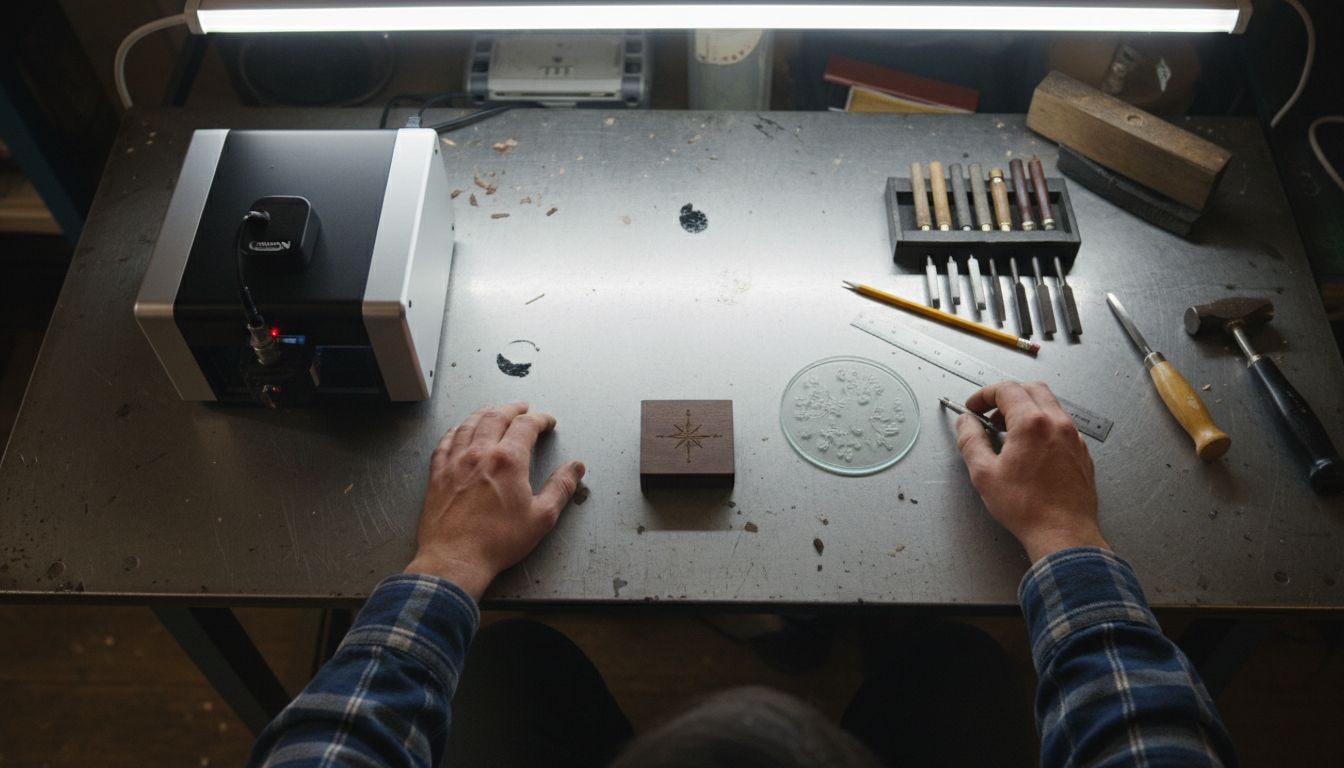
The materials used in engraving are as diverse as the techniques themselves. Professionals work with a wide range of surfaces, including metals like copper and steel, woods, glass, leather, and even contemporary materials like acrylics and specialized polymers. Metal plate engraving methods remain particularly popular, with techniques such as hand engraving, etching, drypoint, and woodcut offering unique textures and visual effects. Each material requires a distinct approach, with engravers adapting their tools and pressure to achieve optimal results.
Modern engraving has been revolutionized by technological advancements, introducing precision tools like laser engraving and Computer Numerical Control (CNC) methods. These techniques allow for incredibly detailed, reproducible designs that were impossible just decades ago. While traditional hand engraving remains a respected craft requiring exceptional skill, digital technologies have democratized the process, enabling more people to create personalized, professional-quality engravings with relative ease. The blend of traditional craftsmanship and cutting-edge technology continues to push the boundaries of what’s possible in personalized design.
Pro tip: When selecting an engraving technique, consider the material’s hardness, your desired design complexity, and whether you prioritize traditional craftsmanship or modern precision.
Here is a comparison of popular engraving techniques by material and typical uses:
| Technique | Compatible Materials | Typical Uses | Distinctive Benefit |
|---|---|---|---|
| Hand Engraving | Metals, wood | Fine art, jewelry, coins | Deep, textured lines; artisan look |
| Etching | Metals (copper, steel, zinc) | Printmaking, decorative plates | Soft, subtle line work; intricate patterns |
| Laser Engraving | Wood, glass, acrylic, metal | Personalized gifts, signage | High precision; complex digital designs |
| CNC Engraving | Metal, plastic, wood | Industrial parts, high-volume | Reproducible, efficient mass production |
| Drypoint | Metal plates | Art prints, limited editions | Rich lines; limited copies for collectors |
How Engraving Personalizes Home Decor Gifts
Personalization transforms ordinary home decor into extraordinary expressions of individual identity, with engraving serving as a powerful medium for creating meaningful, emotionally resonant spaces. Laser engraving technologies enable homeowners to embed personal narratives directly into everyday objects, turning simple decorative pieces into cherished memory markers. Whether it’s a wooden sign displaying a family name, a kitchen accessory etched with a special date, or a decorative piece featuring a meaningful quote, engraved items bring unique character and intimacy to living spaces.
The emotional impact of personalized home decor extends far beyond aesthetic appeal. Customized home accessories tell individual stories by capturing personal milestones, celebrating relationships, and reflecting individual personalities. Engraved items like nameplates, customized furniture, and commemorative pieces create a sense of belonging and connection within a home. These personalized elements transform spaces from generic environments into deeply personal sanctuaries that reflect the unique journey and spirit of their inhabitants.
Modern engraving techniques offer unprecedented versatility in material selection and design complexity. Homeowners can now personalize items made from wood, glass, metal, leather, and acrylic, ensuring that every surface becomes a potential canvas for personal expression. The precision of contemporary engraving methods allows for intricate designs, from delicate script fonts commemorating wedding dates to elaborate graphic representations of family trees or meaningful symbols. This flexibility means that personalization is no longer limited by technical constraints but is instead bounded only by individual creativity and imagination.
Pro tip: When selecting an engraved item for home decor, choose designs that reflect your personal narrative and select materials that complement your existing interior design aesthetic.
Comparing Engraving to Other Customization Methods
Customization techniques have evolved significantly, offering consumers multiple ways to personalize their belongings. Laser marking and engraving techniques represent sophisticated approaches with distinct characteristics that set them apart from traditional customization methods. While printing, painting, and vinyl applications offer surface-level personalization, engraving creates a deeply integrated, permanent transformation of the material itself.
The key differences between customization methods become apparent when examining depth, durability, and aesthetic impact. Laser marking typically creates shallow surface alterations ideal for logos or serial numbers, whereas engraving cuts directly into the material, producing three-dimensional designs with tangible texture. Etching techniques differ subtly from engraving, offering more chemical or shallow surface modifications that lack the profound depth and tactile quality of true engraving. These nuanced distinctions make engraving superior for applications demanding long-lasting, precisely detailed personalization.
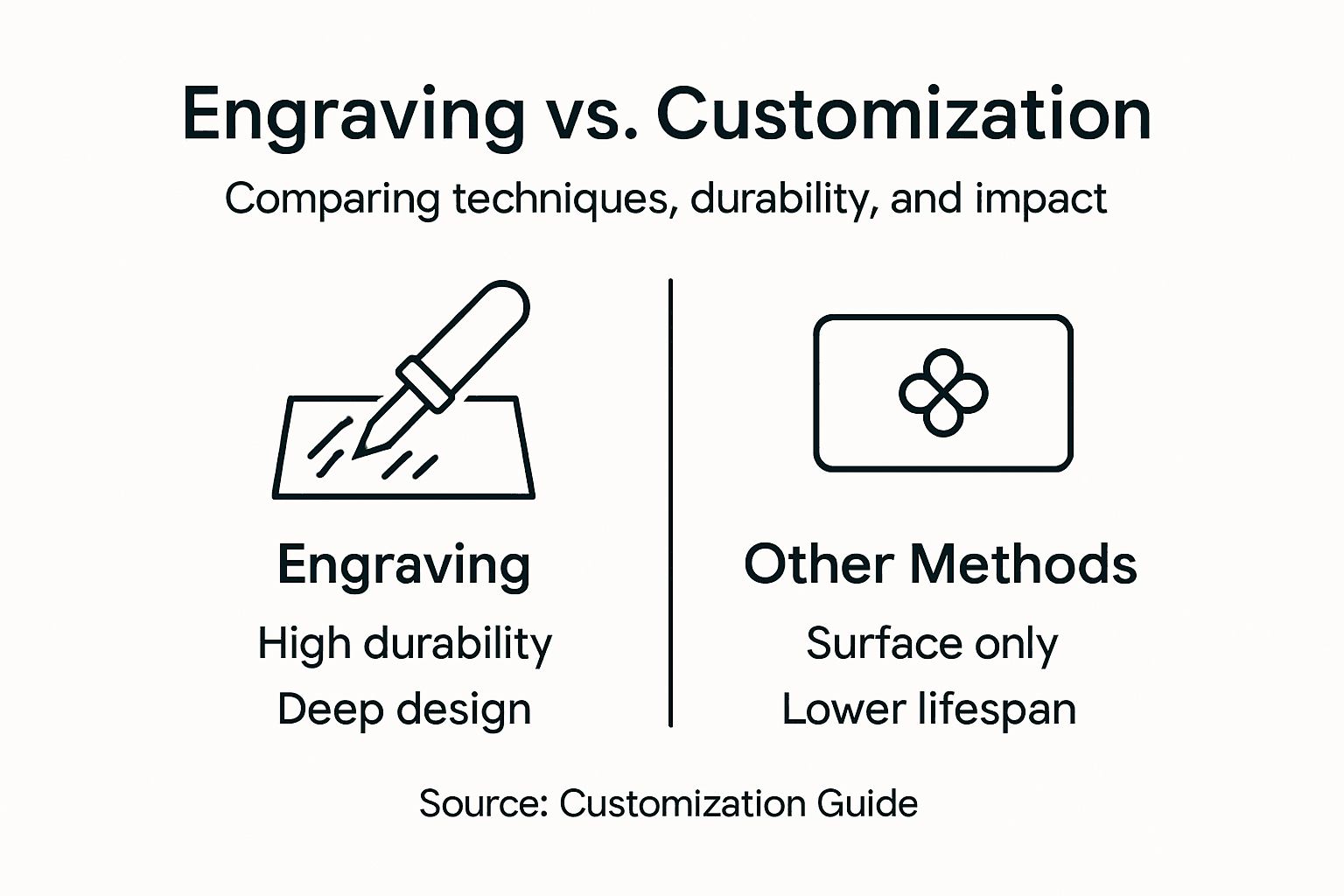
Modern customization technologies have expanded consumer options, but engraving remains uniquely positioned for those seeking meaningful, permanent personalization. Unlike digital printing or heat transfer methods that can fade or peel, engraved designs become integral to the material’s structure. This permanence makes engraving particularly valuable for commemorative items, professional branding, and high-end personalized gifts. The technique’s versatility allows for intricate designs across multiple materials—from metals and wood to glass and leather—ensuring that personal stories can be etched into virtually any surface with remarkable precision.
This table summarizes key differences between engraving, etching, and printing for personalization:
| Customization Method | Durability | Design Depth | Best For |
|---|---|---|---|
| Engraving | Permanent, wear-resistant | Deep, tactile impressions | Heirloom gifts, fine branding |
| Etching | Moderate, may fade | Shallow, less texture | Artwork, decorative surfaces |
| Printing | Can peel or fade | Surface-level only | Mass merchandise, short-term use |
Pro tip: Always request a detailed sample or prototype before committing to a large-scale engraving project to ensure the design meets your exact aesthetic and emotional expectations.
Common Mistakes and What to Avoid
Engagement with personalized engraving requires understanding potential pitfalls that can compromise the final result. Laser engraving mistakes often stem from inadequate preparation and lack of technical knowledge. Novice engravers frequently underestimate the complexity of the process, assuming that sophisticated equipment can compensate for poor technique or insufficient planning. These misconceptions can lead to wasted materials, damaged surfaces, and disappointing outcomes that fall far short of the desired personalized vision.
The most critical errors typically involve technical settings and material handling. Incorrect power and speed configurations can result in uneven burns, charred edges, or weak impressions that diminish the design’s aesthetic and emotional impact. Laser engraving demands precise technical understanding of material properties, requiring careful calibration for different surfaces like wood, metal, glass, or leather. Professionals recommend extensive testing on scrap materials and maintaining meticulous focus settings to ensure consistent, high-quality results. Neglecting fundamental preparation steps such as proper material masking, ventilation considerations, and file resolution can transform what should be a precision process into an expensive lesson in what not to do.
Beyond technical challenges, design-related mistakes can significantly undermine personalization efforts. Poorly conceived layouts, inappropriate font selections, or misaligned graphics can transform a potentially meaningful piece into an awkward or illegible artifact. Many enthusiasts overlook the importance of vector-based design files, which provide the crisp, scalable graphics essential for clean engraving. Additionally, failing to account for material variations—such as wood grain patterns or metal surface irregularities—can lead to unexpected visual disruptions that compromise the intended emotional resonance of the personalized piece.
Pro tip: Always create a detailed digital mockup and perform a test engraving on a similar material sample before executing your final personalized design.
Elevate Your Space with Timeless Personalized Engraving
Engraving brings your personal stories to life by creating permanent, intricate designs that transform everyday decor into meaningful expressions. Whether you want to celebrate a special milestone or add emotional depth to your home, understanding the artistry behind engraving helps ensure your chosen piece truly reflects your unique journey. At FunLifeNow, we specialize in expertly crafted, American-made personalized home decor that embodies this deep connection and craftsmanship.
Discover custom blankets, canvas wall art, and metal signs that capture your story with precise, lasting engraving and thoughtful design. Don’t settle for ordinary gifts or generic accents when you can choose heartfelt personalization that resonates for years to come. Visit FunLifeNow now to explore our collection, browse detailed personalization options, and create a home environment filled with purpose and beauty.
Frequently Asked Questions
What is engraving?
Engraving is the art of cutting intricate designs into hard surfaces using specialized tools, creating detailed, permanent, three-dimensional designs that enhance the aesthetic beauty of materials.
What are the benefits of personalized engraving?
Personalized engraving transforms everyday items into unique expressions of identity and sentiment, making them meaningful gifts that capture personal stories and commemorate significant milestones.
What are common materials used for engraving?
Common materials include metals like copper and steel, wood, glass, leather, and even modern materials like acrylics and specialized polymers, each requiring specific engraving techniques to achieve the best results.
How does engraving differ from other customization methods?
Engraving creates deep, permanent impressions in materials, making it more durable and tactile compared to other methods like printing or etching, which only alter the surface or provide less depth.