
How to Clean Blankets Naturally: Step-by-Step Guide
Every family knows the challenge of keeping personalized blankets clean while protecting the craftsmanship that makes them special. Blankets crafted with American quality deserve care that matches their value, and the right cleaning approach keeps them fresh without risking damage. Discover how a mix of gentle, natural ingredients and tailored methods preserve embroidered names, soft fabrics, and vibrant colors, letting your favorite blanket stay safe and beautiful for years to come.
Table of Contents
- Step 1: Gather Essential Cleaning Supplies
- Step 2: Check Blanket Materials and Care Tags
- Step 3: Treat Stains and Prep for Washing
- Step 4: Wash Blankets Using Gentle Methods
- Step 5: Dry and Inspect for Freshness
Quick Summary
| Key Point | Explanation |
|---|---|
| 1. Gather natural cleaning supplies | Use white vinegar, baking soda, and castile soap to clean your blanket gently without harsh chemicals. |
| 2. Check care labels for materials | Read the care tag to determine the appropriate washing method for your blanket’s fabric, like cotton or wool. |
| 3. Treat stains promptly and correctly | Address stains immediately with the right method based on stain type to enhance removal before washing. |
| 4. Wash using gentle methods | Machine wash on a delicate cycle or hand wash to protect fibers. Use a small amount of cleaning solution. |
| 5. Dry properly for lasting quality | Air dry your blanket to prevent shrinkage and maintain integrity. Avoid folding until completely dry to prevent creasing. |
Step 1: Gather Essential Cleaning Supplies
Before you start washing your personalized blanket, collect the right natural cleaning ingredients. You don’t need harsh chemicals or specialty products to get excellent results—most of what you need is already in your home.
Your main supplies should include:
- White vinegar for its natural deodorizing and softening properties
- Baking soda as a gentle abrasive and odor neutralizer
- Castile soap (a plant-based soap that cleans without toxins)
- Essential oils like lavender or eucalyptus for freshness
- Water (filtered or distilled works best for delicate fabrics)
Why these ingredients work matters. Surfactants in soap help water penetrate fabric fibers and trap dirt particles, lifting soils away without damaging your blanket’s quality. Natural ingredients like baking soda, white vinegar, castile soap, and essential oils are proven cleaners that won’t harm your family or the environment.
Here is a quick comparison of natural cleaning ingredients and their benefits:
| Ingredient | Main Purpose | Key Benefit |
|---|---|---|
| White vinegar | Deodorizing, softening | Removes odors gently |
| Baking soda | Mild abrasion, neutralizing | Lifts stains, freshens |
| Castile soap | Cleansing without toxins | Safe for sensitive skin |
| Essential oils | Adds scent, antimicrobial | Boosts freshness |
| Filtered water | Base for cleaning solutions | Prevents residue buildup |
You’ll also want to gather some basic tools. A soft-bristled brush, large basin or sink, and clean towels for drying make the process easier. If your blanket has personalization like embroidered names or custom designs, having a gentle approach with these tools protects that craftsmanship.
One smart choice is opting for eco-friendly products and methods that align with the care your custom blanket deserves. When you invest in an American-made personalized blanket, treating it with natural, gentle cleaning methods honors that quality.
Take a moment to check your blanket’s care label. Most personalized home decor blankets tolerate natural cleaning methods well, but knowing the fabric type (cotton, fleece, synthetic) helps you adjust your approach.
Natural cleaning supplies protect both your cherished blanket and your family’s health—no toxic chemicals needed for real results.
Pro tip: Mix your basic vinegar and water solution the night before washing so it sits and becomes more potent—use a 1:1 ratio and store it in a labeled spray bottle for future cleanings.
Step 2: Check Blanket Materials and Care Tags
Before washing, locate and read your blanket’s care tag carefully. This tag tells you everything you need to know about safe cleaning methods for your specific fabric.
The care label will reveal your blanket’s material composition. Common blanket fabrics include:
- Cotton (breathable, durable, and typically machine washable)
- Fleece (synthetic, soft, and usually easy to care for)
- Wool (warm but requires gentler handling)
- Flannel (cotton blend, cozy and generally washable)
- Synthetic blends (various performance qualities depending on mix)
Understanding blanket materials helps you choose the right washing approach. Cotton blankets usually tolerate standard machine washing, while wool needs hand washing or professional cleaning. Fleece and flannel typically do well with gentle cycles. The care tag will specify whether your blanket can be machine washed, hand washed, or requires dry cleaning only.
Look for specific warnings on the tag as well. Avoid bleach? Check. Temperature limits? Note them. Don’t use fabric softener? Write it down. These instructions protect your blanket’s fibers and any personalization like embroidered names or custom designs.
If your blanket is a cherished personalized piece, pay extra attention to water temperature recommendations. Hot water can fade custom printing or damage delicate embroidery, while cold water preserves colors and detail work.
For washable blanket materials, the care tag confirms whether natural cleaning methods are appropriate. Most quality blankets made from cotton, flannel, or washable synthetics handle vinegar and baking soda solutions beautifully.
The table below summarizes care instructions for common blanket fabrics:
| Material | Washing Method | Drying Recommendation |
|---|---|---|
| Cotton | Machine wash gentle | Air dry or low heat tumble |
| Fleece | Machine wash cold cycle | Air dry or low heat tumble |
| Wool | Hand wash, cold water | Flat dry, avoid heat |
| Flannel | Machine wash warm or cold | Air or line dry preferred |
| Synthetic blends | Check label; usually gentle | Air or low heat tumble |
Your blanket’s care tag is your roadmap to successful cleaning—follow it, and your custom blanket will stay beautiful for years.
Pro tip: Take a photo of your blanket’s care tag with your phone or keep the tag information in a notes app, so you always have these instructions available when you’re ready to wash.
Step 3: Treat Stains and Prep for Washing
Now that you’ve gathered supplies and checked your care tag, it’s time to address any visible stains. Treating stains before washing increases your chances of complete removal without damaging your blanket.
Start by identifying what type of stain you’re dealing with. Different stains require different approaches:
- Protein stains (blood, sweat, food) respond well to cold water and gentle rubbing
- Oil-based stains (grease, butter) benefit from baking soda or castile soap applied directly
- Dye stains (wine, coffee) need immediate cold water treatment to prevent setting
- Organic stains (grass, mud) work best with enzymatic solutions or vinegar
Effective stain treatment involves acting quickly and using the right method for each stain type. The sooner you treat a stain, the easier it lifts away. Apply your chosen natural cleaner directly to the stain and let it sit for 10 to 15 minutes before gently working it in with a soft brush.
Always test your cleaning solution on a hidden corner of your blanket first. This protects personalized designs like embroidery or custom printing from unexpected reactions.
Pre-soaking and thorough rinsing are essential for stubborn stains. Mix cold water with a small amount of castile soap or vinegar, submerge the stained area, and let it sit for 20 to 30 minutes. Rinse thoroughly with fresh water until the solution is completely gone.
Once stains are treated, prepare your blanket for washing. Fill your washing basin or machine with cool water and dissolve your cleaning mixture completely before adding the blanket. This prevents soap residue from settling on the fabric.
For personalized blankets with embroidered names or custom details, consider placing them inside a mesh laundry bag. This adds extra protection during the wash cycle.
Quick action on fresh stains makes all the difference—treat them before they set, and your blanket looks brand new.
Pro tip: Keep a small container of your baking soda and castile soap mixture ready to go, so when you spot a stain, you can treat it immediately without scrambling to mix solutions.
Step 4: Wash Blankets Using Gentle Methods
With your blanket prepped and stains treated, you’re ready to wash. Use a gentle approach that protects your fabric while removing dirt and odors effectively.
Choose your washing method based on your blanket’s care tag and material. Your options include:
- Machine washing on delicate cycle (best for most cotton and synthetic blankets)
- Hand washing (ideal for wool, weighted blankets, or delicate personalized pieces)
- Gentle soak method (effective for blankets with embroidery or custom designs)
If using a machine, select the delicate or gentle cycle with cold or warm water depending on your care tag. Use only a small amount of your natural cleaning solution—about one-quarter the amount you’d use for regular loads. Gentle washing methods preserve fabric integrity while still removing dirt and odors effectively.
For hand washing, fill a basin with cool water and dissolve your castile soap and vinegar mixture thoroughly. Submerge your blanket and gently agitate it for 5 to 10 minutes, working the solution through the fabric without wringing or twisting.
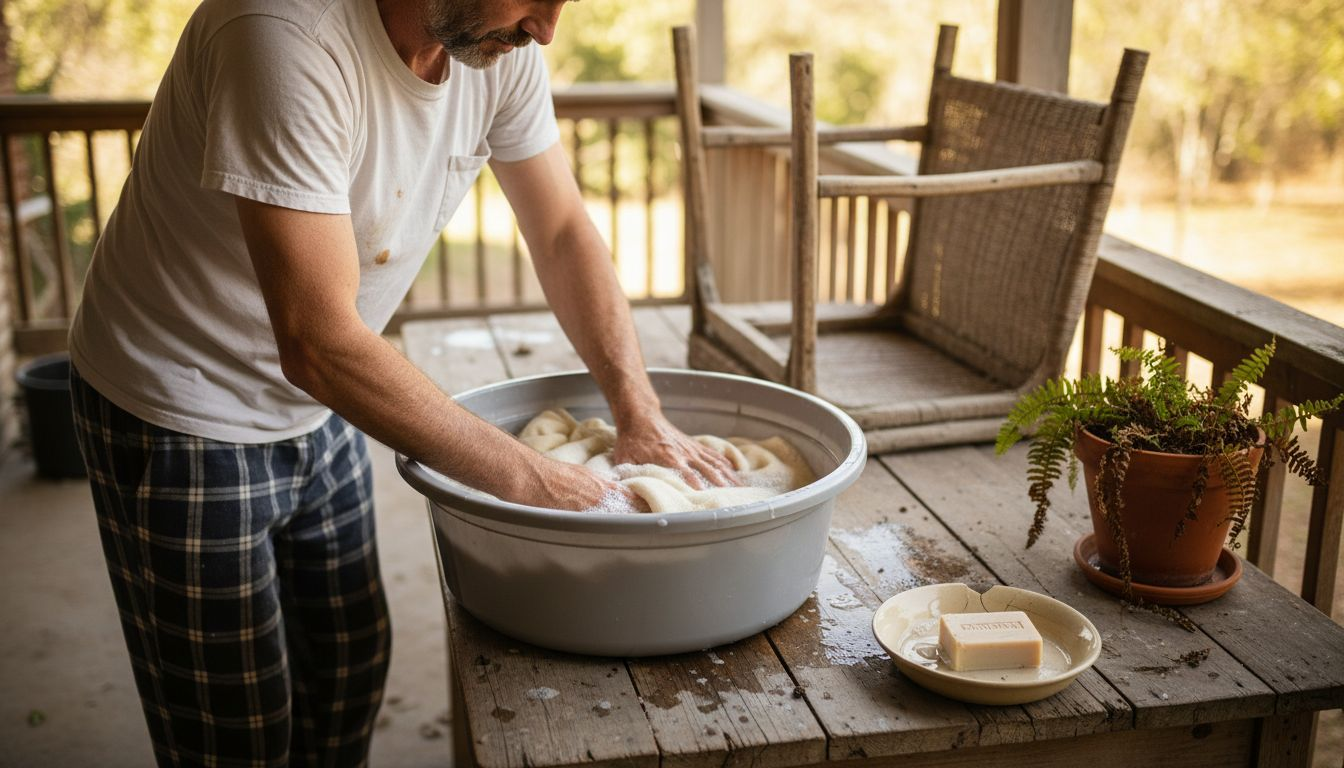
Proper sorting and appropriate detergent amounts ensure your blanket comes clean without damage. Wash your personalized blanket separately from other items to prevent color bleeding and protect any custom embroidery or printing.
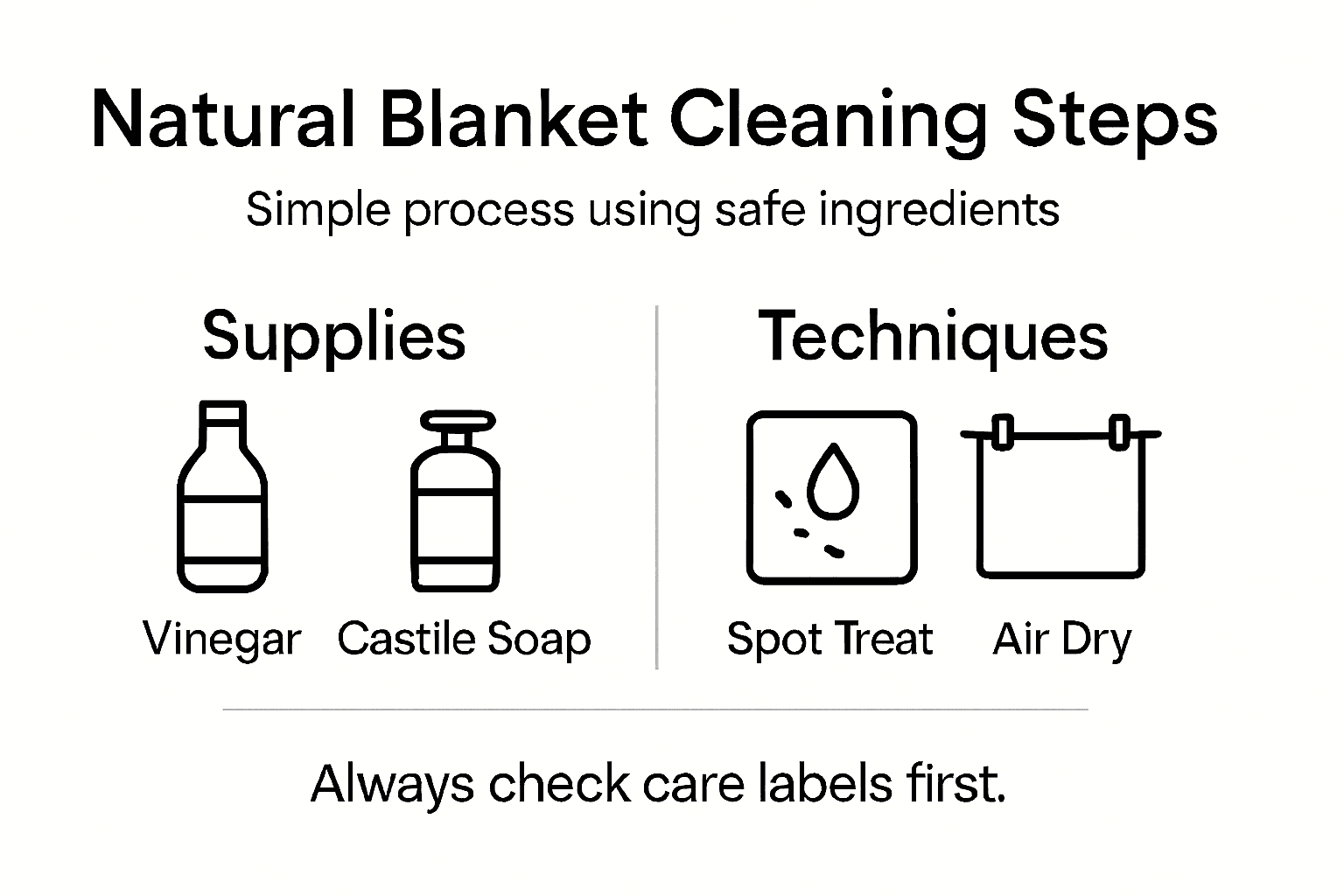
Avoid using bleach, fabric softener, or scented products unless your care tag specifically approves them. These can damage natural fibers, fade personalization, or leave residue that builds up over time.
Let your blanket soak gently for 15 to 20 minutes if it’s heavily soiled. This allows your natural cleaning solution to work deeply without aggressive scrubbing.
Patience during washing matters more than force—let your gentle solution do the work, and your blanket stays pristine.
Pro tip: Support the weight of your wet blanket as you lift it from the water to prevent stretching or stress on the fabric, and squeeze out water gently rather than wringing.
Step 5: Dry and Inspect for Freshness
Drying your blanket correctly is just as important as washing it. The drying method you choose affects how your blanket looks, feels, and lasts over time.
Check your care label first to determine your best drying option. Your choices include:
- Air drying indoors (safest for most personalized blankets)
- Tumble drying on low heat (convenient but requires care label approval)
- Line drying outdoors (excellent for natural freshness)
- Flat drying (ideal for weighted or delicate blankets)
Air drying is often recommended to prevent shrinkage and preserve fabric quality, especially for your valued personalized piece. Hang your blanket in a well-ventilated area away from direct heat sources. If you’re using a clothesline outdoors, spread it evenly to prevent creasing.
Drying blankets outside in sunlight and breeze naturally kills bacteria and removes odors without chemicals. Position your blanket to catch maximum sun exposure and allow wind to circulate through the fabric. This works wonderfully year-round, even on cooler days.
If machine drying is necessary, use the lowest heat setting available and remove your blanket while still slightly damp. This prevents over-drying, which can damage fibers and fade personalized designs like embroidery or custom printing.
Once your blanket is completely dry, give it a thorough inspection. Smell it to confirm freshness and check for any lingering odors. Look for remaining stains or spots that might need another treatment round.
If you detect any musty or stubborn odors, return the blanket to the washing step rather than storing it away. A quick rewash ensures your cherished blanket stays truly fresh.
Proper drying protects your investment—patience with air drying means your personalized blanket stays beautiful for years.
Pro tip: Rotate your blanket halfway through air drying to ensure even moisture evaporation on both sides, and avoid folding it until completely dry to prevent creases from setting in.
Keep Your Personalized Blanket Beautiful with Care That Matches Its Quality
Cleaning your custom blanket naturally is just the first step toward preserving its heartfelt story and craftsmanship. The article highlights challenges like safe stain removal, gentle washing, and correct drying methods that protect personalized details such as embroidery and custom printing. At FunLifeNow, we understand the importance of quality and longevity in American-made, personalized home decor products.

Explore our collection of personalized blankets designed not only for warmth but for lasting memories. Each piece is crafted with care to ensure it remains a treasured keepsake through every wash. Start your journey today by visiting FunLifeNow and discover custom blankets that combine meaningful personalization with durable materials that stand up to natural cleaning methods. Don’t wait to create a gift that grows more beautiful with time. Learn more about our personalization process and trusted craftsmanship on our homepage.
Make your personalized blanket part of your family stories and keep it fresh with care that honors its quality. Visit FunLifeNow now and get started!
Frequently Asked Questions
How do I gather my cleaning supplies for washing blankets naturally?
To gather cleaning supplies for washing blankets naturally, collect items such as white vinegar, baking soda, Castile soap, essential oils, and filtered water. Opt for a soft-bristled brush and clean towels for drying to complete your toolkit.
What should I check on my blanket’s care label before washing?
Before washing, carefully check your blanket’s care label for material composition and specific washing instructions. Look for recommendations regarding machine washing, hand washing, or dry cleaning to ensure the right cleaning method and protect your blanket’s personalization.
How can I effectively treat stains on my blanket before washing?
Effectively treat stains by identifying the type of stain and applying the appropriate natural cleaning solution, such as castile soap or vinegar. Let the solution sit for 10 to 15 minutes before gently scrubbing with a soft brush for the best removal results.
What washing method should I use based on my blanket’s material?
Use machine washing on a delicate cycle for cotton and most synthetic blankets, while opting for hand washing for wool or heavily personalized pieces. Always follow the specific recommendations on your care tag to maintain the integrity of the fabric.
How can I make sure my blanket dries properly after washing?
To ensure proper drying, air dry your blanket in a well-ventilated area or use a tumble dryer on low heat if the care label allows. Regularly check for moisture, and evaluate whether your blanket is fully dry before folding to prevent creasing.
What actions should I take if my blanket still smells after washing?
If your blanket still has an odor after washing, return it to the washing step using your natural cleaning solution again. Ensuring the blanket is completely odor-free before storing it will help maintain its freshness and prevent musty smells.