
7 Key Steps for Interior Design for Beginners at Home
Transforming your living space into something that truly reflects your identity can feel overwhelming when you do not know where to start. Every decision from picking a color to choosing decor shapes more than just the look of your home—it shapes how you feel in it. If you have ever wished your rooms felt more cohesive, meaningful, or simply more ‘you,’ you are not alone.
The right interior design steps bring clarity, comfort, and a sense of pride every time you walk through your door. This guide gives you practical, actionable ways to build a home that tells your own unique story and feels connected to your everyday life. Get ready to discover specific techniques for defining your style, choosing impactful colors, and adding personal touches that make your space stand out.
Table of Contents
- 1. Define Your Style And Home Story
- 2. Start With A Color Palette
- 3. Choose Personalized Statement Pieces
- 4. Plan Layouts For Comfort And Flow
- 5. Layer Textures For Warmth And Interest
- 6. Add Meaningful Decor And Personal Touches
- 7. Use Lighting To Set The Right Mood
Quick Summary
| Key Insight | Explanation |
|---|---|
| 1. Define Your Personal Style | Understand your emotional connection and lifestyle needs to create a reflective home environment. |
| 2. Choose a Color Palette | Select colors based on mood and room purpose to enhance emotional resonance. |
| 3. Incorporate Statement Pieces | Add personalized items that tell your unique story and create focal points in your decor. |
| 4. Plan Functional Layouts | Design room layouts promoting comfort and seamless movement for daily use. |
| 5. Use Diverse Textures | Layer different materials to create depth and visual intrigue in your living spaces. |
1. Define Your Style and Home Story
Your home is more than just a space it’s a canvas that tells your unique story. Creating an interior design that truly reflects your personality begins with understanding and defining your personal style.
Designing your home is about creating a narrative through decor that resonates with your experiences and aspirations. Designing spaces from the inside out means understanding how each element contributes to your home’s emotional landscape.
To start defining your style consider these key aspects:
- Emotional Connection: What spaces make you feel comfortable and inspired?
- Personal History: Which memories or experiences do you want your home to represent?
- Lifestyle Needs: How do you actually use your living spaces?
Interior design isn’t about following trends but creating an environment that authentically represents you. Think of your home as a visual autobiography where every piece tells part of your story.
Practical steps to define your style include:
- Create a mood board with images that speak to you
- Collect color swatches and fabric samples
- Identify design elements that consistently attract you
- Note the feelings different spaces and designs evoke
Your home’s design should feel like a reflection of your inner world — comfortable, meaningful, and distinctly yours.
Pro tip: Take photos of spaces you love and analyze what specifically attracts you to them — color schemes, furniture arrangements, or overall atmosphere.
2. Start With a Color Palette
Color is the silent language of interior design that speaks volumes about your space. Choosing the right color palette transforms a room from merely functional to emotionally resonant.
Understanding color theory fundamentals helps you create harmonious and meaningful interiors. Colors aren’t just visual elements they are powerful emotional triggers that shape how we experience a space.
Three primary color palette approaches can guide your design:
- Monochromatic Palette: Uses variations of a single color
- Complementary Palette: Combines opposite colors on the color wheel
- Analogous Palette: Blends colors that sit next to each other on the color wheel
When selecting your palette consider these key factors:
- Room’s natural lighting
- Overall mood you want to create
- Size and purpose of the space
- Your personal emotional response to different colors
Color is a powerful design tool that can make a small room feel larger or a cold space feel warm and inviting.
Practical tips for selecting your color palette include gathering paint swatches testing color samples in different lights and observing how colors interact with your furniture and decor.
Pro tip: Create a sample board with paint swatches fabric samples and room photos to visualize how your chosen colors work together before making final decisions.
3. Choose Personalized Statement Pieces
Statement pieces transform a room from ordinary to extraordinary by telling your unique story. These special items are more than decorations they are visual narratives that express your personality and experiences.
Interior design professionals emphasize that personalized statement pieces create focal points that distinguish your space and reflect your individual style.
When selecting statement pieces consider these key characteristics:
- Emotional Significance: Items that spark memories or represent your journey
- Visual Impact: Pieces that draw the eye and create conversation
- Personal Authenticity: Objects that genuinely represent your taste and background
Examples of powerful statement pieces include:
- Unique artwork from your travels
- Family heirlooms with meaningful history
- Custom furniture with personal design elements
- Handcrafted items that showcase your interests
A truly remarkable statement piece doesn’t just fill space it tells a story and creates an emotional connection.
Remember that statement pieces work best when they complement your overall design while standing out as distinctive elements that capture attention and imagination.
Pro tip: Select statement pieces that not only look beautiful but also have a personal narrative that you can share with guests when they ask about them.
4. Plan Layouts for Comfort and Flow
A well-designed room is more than just aesthetically pleasing it creates a sense of harmony and supports your daily lifestyle. Understanding how to plan layouts that promote comfort and seamless movement is crucial for creating livable spaces.
Interior design courses emphasize space planning as a fundamental skill for creating functional and inviting environments.
Key principles for effective layout planning include:
- Traffic Flow: Ensure clear pathways between furniture
- Functional Zoning: Create dedicated areas for specific activities
- Scale and Proportion: Balance furniture sizes within the room
- Negative Space: Leave enough open areas for comfortable movement
Practical steps for layout planning:
- Measure your room precisely
- Create a scaled floor plan
- Identify primary and secondary room functions
- Consider natural movement patterns
- Experiment with furniture arrangement
Comfort is not about how a room looks but how it feels when you move and live within the space.
Remember that good layout design anticipates how you will actually use the room not just how it appears in a magazine.
Pro tip: Use painter’s tape to mark furniture placement on the floor before moving heavy pieces to visualize the layout and test traffic flow.
5. Layer Textures for Warmth and Interest
Texture is the secret ingredient that transforms a flat interior into a vibrant living space. By thoughtfully combining different materials and surfaces you create depth richness and visual intrigue.
Materials and textiles play a critical role in crafting sensory experiences within your home.
Key strategies for successful texture layering include:
- Visual Variety: Mix smooth and rough surfaces
- Tactile Contrast: Combine soft and hard materials
- Color Harmony: Ensure textures complement your color palette
- Balanced Proportions: Vary texture scales thoughtfully
Texture layering techniques:
- Start with neutral base textiles
- Add textured throw pillows
- Incorporate woven blankets
- Mix metal and wooden accessories
- Use area rugs to anchor spaces
Texture transforms rooms from mere spaces into stories you can touch and feel.
Remember that texture is not just about visual appeal but about creating an environment that feels inviting and personal.
Pro tip: When combining textures select pieces within a similar color family to maintain cohesion while creating interesting sensory depth.
6. Add Meaningful Decor and Personal Touches
Your home should tell your unique story through carefully curated decor that reflects your journey and personality. Personal touches transform spaces from generic rooms into living narratives that speak directly to your experiences.
Interior design research highlights how meaningful artifacts can profoundly impact emotional connection and living comfort.
Strategies for adding personal touches include:
- Family Photographs: Create gallery walls with memorable moments
- Travel Souvenirs: Display meaningful objects from your journeys
- Inherited Items: Showcase family heirlooms with personal history
- Handmade Artwork: Include pieces created by you or loved ones
Personalization techniques:
- Select items with genuine emotional significance
- Mix new purchases with cherished old pieces
- Create themed displays representing your interests
- Rotate personal items to keep spaces dynamic
- Use storytelling elements that spark conversation
Personal touches are not about perfection but about authenticity and emotional resonance.
Remember that meaningful decor is not about filling space but about creating an environment that genuinely represents you.
Pro tip: Choose decor pieces that spark joy and conversation rather than simply following current design trends.
7. Use Lighting to Set the Right Mood
Lighting is the secret ingredient that transforms a room from ordinary to extraordinary. The right illumination can dramatically alter the emotional atmosphere of your space creating environments that inspire calm energize creativity or invite intimacy.
Lighting temperature profoundly influences interior moods through strategic placement and color selection.
Key lighting strategies include:
- Ambient Lighting: Provides overall room illumination
- Task Lighting: Focuses on specific activity areas
- Accent Lighting: Highlights architectural features or artwork
- Decorative Lighting: Adds visual interest and personality
Practical lighting techniques:
- Use dimmer switches for flexible mood control
- Layer different light sources
- Choose warm tones for relaxation areas
- Select cooler lights for workspaces
- Incorporate natural light whenever possible
Lighting is not just about visibility it is about creating emotional experiences within your space.
Remember that effective lighting design goes beyond functionality and becomes an art form that shapes how you experience your home.
Pro tip: Experiment with LED smart bulbs that allow color temperature adjustments to instantly transform your room’s atmosphere.
Below is a comprehensive table summarizing the main strategies for personalized and meaningful interior design as discussed in the article.
| Topic | Description | Key Points |
|---|---|---|
| Define Your Style | Understand your personal preferences to reflect individuality. | Create mood boards, use color swatches, and identify appealing design elements. |
| Color Palette | Choose colors harmonizing with your space’s emotional tone. | Test samples in various lighting conditions and consider room size and purpose. |
| Statement Pieces | Incorporate items that tell a story. | Select emotionally significant objects like heirlooms or travel artifacts. |
| Layouts | Plan furniture arrangement for comfort and flow. | Measure spaces, create floor plans, and ensure traffic flow and balance. |
| Texture Layers | Use varied materials to add depth and interest. | Combine smooth and rough surfaces while maintaining color harmony. |
| Meaningful Decor | Add elements representing personal stories. | Display family photos, souvenirs, and artwork with emotional resonance. |
| Lighting | Adapt lighting to enhance mood and functionality. | Use ambient, task, and accent lighting, incorporating natural light where possible. |
Bring Your Interior Design Vision to Life with Personalized Home Decor
Transforming your home with the perfect blend of style, emotion, and comfort can be challenging. The article highlights key steps like defining your style, choosing a color palette, and adding meaningful statement pieces to create a space that truly tells your story. At FunLifeNow, we understand the importance of emotional connection and personal authenticity in your home design journey. Our American-made custom blankets, canvas wall art, and metal signs are crafted to help you weave your unique narrative into every room.
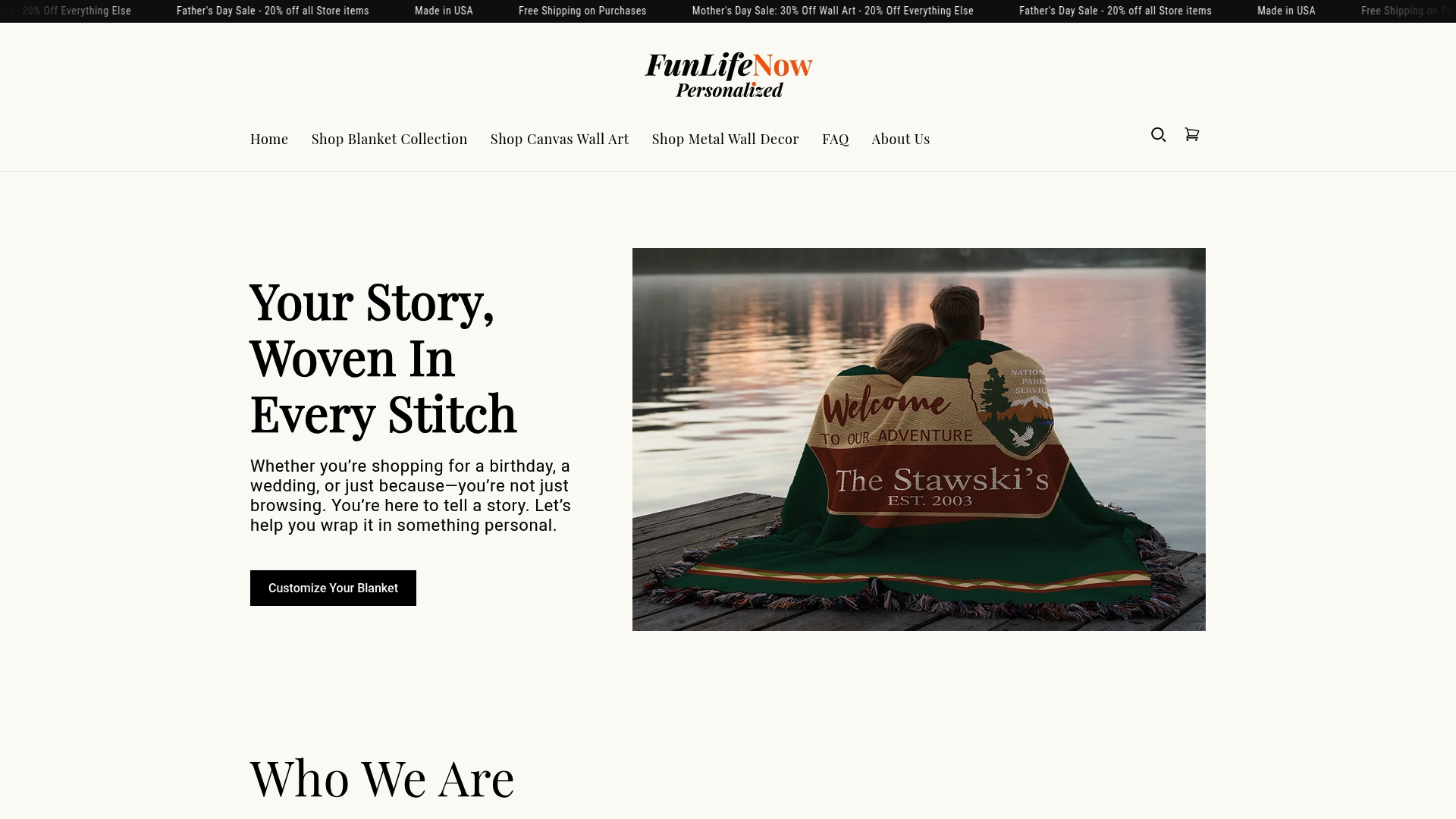
Ready to add warmth and personality to your home while celebrating your story? Visit FunLifeNow to explore our curated collections. Discover how our personalized decor can complement your interior design plans by choosing items that resonate with your lifestyle and memories. Make your space inviting and meaningful with craftsmanship that lasts. Start creating your personalized home story today and enjoy seasonal sales like Mother’s Day and Father’s Day promotions along the way!
Explore more inspiration from our homepage and begin your custom decor journey now.
Frequently Asked Questions
How do I define my personal style for interior design?
To define your personal style, start by creating a mood board that showcases images, colors, and design elements that resonate with you. Collect materials like fabric swatches and note what specifically attracts you in different spaces.
What color palette should I choose for my home?
Select a color palette by considering the lighting, room size, and the overall mood you want to create. Test color samples in your space during different times of day to see how they interact with your existing decor.
What are some effective ways to incorporate statement pieces?
Incorporate statement pieces by selecting items with emotional significance, such as unique artwork or family heirlooms. Aim for pieces that not only look beautiful but also have a personal narrative that you can share with guests.
How can I create a comfortable layout for my living space?
To create a comfortable layout, measure your room and create a scaled floor plan that includes dedicated areas for specific activities. Test different furniture arrangements to ensure clear pathways for movement and functionality.
What techniques can I use to layer textures in my design?
Layer textures by starting with neutral base textiles and adding various materials like throw pillows and woven blankets. Aim to mix soft and hard textures while keeping within your color palette to add depth and interest to your space.
How do I use lighting effectively to set the mood in my home?
Use lighting effectively by layering different sources, including ambient, task, and accent lighting, to create depth. Employ dimmer switches to adjust brightness based on your mood or activity, ensuring that each room feels inviting and functional.