
Why Personalization Matters for Home Decor Buyers
Over half of American homeowners say their favorite rooms reflect their personality in subtle but powerful ways. Personalization is more than a passing trend in home decor—it is the secret ingredient that turns a living space into an authentic extension of yourself. Whether you want to showcase meaningful moments or craft a sanctuary that speaks to your identity, learning how to make your space truly personal will help you create a home that feels unmistakably yours.
Table of Contents
- Defining Personalization In Home Decor
- Emotional Benefits Of Personalized Products
- How Personalization Enhances Gift-Giving
- Craftsmanship And Quality In Custom Decor
- Common Pitfalls When Personalizing Gifts
Key Takeaways
| Point | Details |
|---|---|
| Personalization Transforms Spaces | Personalization in home decor allows individuals to express their identity and emotional landscape through intentional design choices. |
| Emotional Connections Matter | Personalized products create emotional anchors that enhance well-being and provide comfort, making them more than mere objects. |
| Gift-Giving Enhancements | Personalization makes gifts more meaningful by demonstrating thoughtfulness and a deep understanding of the recipient’s identity. |
| Avoid Design Misalignment | Successful personalization requires careful consideration of the recipient’s preferences to ensure meaningful connections, avoiding generic or mismatched designs. |
Defining Personalization in Home Decor
Personalization in home decor transforms living spaces from generic environments into deeply meaningful personal statements. It goes far beyond simply selecting furniture or paint colors — it represents a profound process of self-expression where individuals craft intimate narratives through their design choices. Research analyzing global residential ornamentation confirms that residents worldwide customize their spaces in statistically distinct ways, revealing how deeply personal home decoration truly is.
At its core, personalization means transforming a house into a home that reflects individual identity, experiences, and emotional landscape. Home decor personalization involves intentionally selecting and arranging items that tell your unique story — whether through custom wall art featuring meaningful dates, family photographs, cherished mementos, or color schemes that resonate with your personality. Scientific studies exploring home furnishings indicate that such personalization helps individuals feel more connected to their living environment and provides a sense of social belonging.
The process of personalizing home decor involves several key strategies. Homeowners might incorporate custom elements like monogrammed throw pillows, personalized metal signs with family names, or canvas wall art that captures significant life moments. These items go beyond aesthetic appeal — they serve as tangible representations of personal history, creating spaces that feel authentically yours. Cultural preferences play a significant role, with different regions and individual backgrounds influencing decorative choices and personal storytelling through design.
Pro Tip for Personalization: Start small by selecting one meaningful piece that genuinely represents your personality, and build your decor around that central element to create a cohesive and authentic living space.
Here is a summary comparing different personalization methods in home decor:
| Personalization Approach | Typical Examples | Emotional Benefit | Cultural Influence |
|---|---|---|---|
| Custom Text & Dates | Wall art, pillows, plaques | Captures life milestones | Often honors family traditions |
| Monograms & Initials | Blankets, doormats | Fosters unique identity | Popular in Western cultures |
| Photo-Based Decor | Canvas prints, frames | Preserves memories | Common across many cultures |
| Color Customization | Paint, throw pillows | Enhances personal comfort | Strongly tied to regional tastes |
Emotional Benefits of Personalized Products
Personalized products transcend mere material possessions, offering profound emotional connections that significantly enhance individual well-being and psychological satisfaction. Research examining design aesthetics reveals that aesthetically pleasing and personalized items generate more positive emotional responses compared to generic products, demonstrating the deep psychological impact of customization.
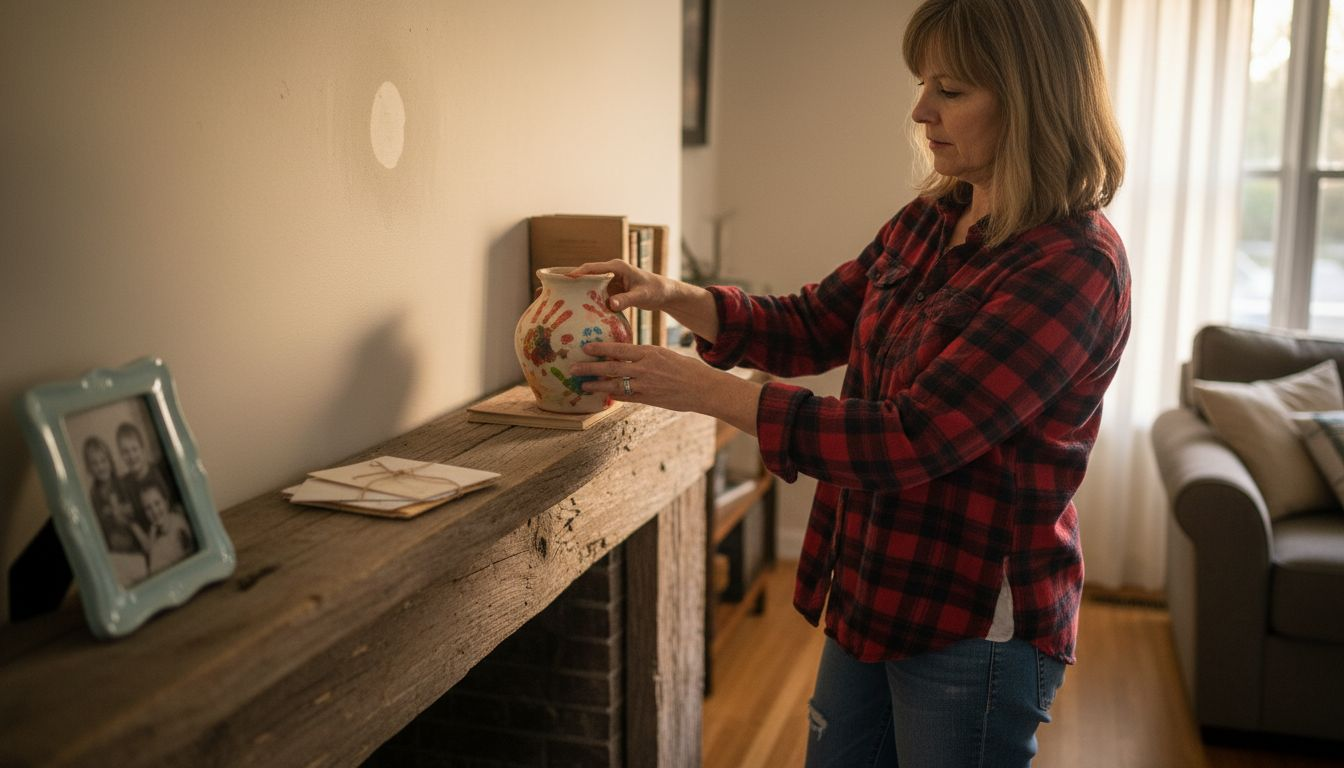
Emotional resonance is the core benefit of personalized products. When individuals select or receive items tailored specifically to their experiences, preferences, or identity, they experience a powerful sense of validation and emotional recognition. These items become more than objects — they transform into tangible representations of personal narratives, memories, and relationships. Whether it’s a custom wall art piece commemorating a significant life moment or a monogrammed throw blanket that reflects individual style, personalized products create emotional anchors that provide comfort and psychological stability.
The psychological mechanisms behind personalized products are rooted in human desire for self-expression and individual identity. Interior design research investigating healing environments demonstrates that personalized design elements significantly influence emotional well-being, with carefully curated spaces contributing to individual comfort and psychological restoration. By selecting personalized products, individuals communicate their unique stories, values, and experiences, transforming ordinary living spaces into deeply meaningful personal sanctuaries that reflect their inner emotional landscapes.
Pro Tip for Emotional Connection: Choose personalized products that genuinely reflect your personal story or evoke meaningful memories, ensuring that each item serves as an authentic emotional touchstone in your living space.
How Personalization Enhances Gift-Giving
Personalization transforms gift-giving from a transactional exchange into a profound emotional experience that communicates deep understanding and care. Research exploring personalized product value reveals that customized gifts offer far more than functional utility — they provide emotional and self-relevant benefits that significantly enhance the recipient’s experience and perceived value of the gift.
Gift personalization represents a sophisticated approach to expressing thoughtfulness and connection. When individuals select gifts tailored specifically to the recipient’s identity, interests, or personal history, they create powerful emotional connections that transcend traditional gift-giving norms. Custom wall art featuring meaningful dates, monogrammed blankets, or metal signs celebrating personal achievements communicate a level of intentionality and emotional investment that generic gifts simply cannot match. These personalized items become cherished mementos that reflect the unique relationship between the giver and recipient.
Design aesthetic research demonstrates that personalized gifts with high aesthetic quality attract more attention and generate more positive emotional responses. The process of personalization involves careful consideration of the recipient’s preferences, creating an experience that goes beyond the physical gift itself. By selecting or creating a personalized item, gift-givers communicate their understanding, appreciation, and emotional commitment, transforming an ordinary object into a meaningful symbol of their relationship.
Pro Tip for Meaningful Gifting: Choose personalization elements that genuinely reflect the recipient’s personality, interests, or significant life moments, ensuring the gift becomes a treasured connection point rather than a forgettable object.
Craftsmanship and Quality in Custom Decor
Craftsmanship represents the soul of custom home decor, transforming ordinary items into extraordinary expressions of artistic skill and personal narrative. Advanced aesthetic research methodologies demonstrate that the quality of craftsmanship directly influences how individuals perceive and emotionally connect with decorative pieces, highlighting the profound impact of meticulous design and expert production techniques.
Material selection and manufacturing precision are critical elements that distinguish exceptional custom decor. Handcrafted items created with superior materials and sophisticated production techniques communicate a level of sophistication that mass-produced products cannot replicate. Whether it’s a woven blanket with intricate jacquard patterns, a metal wall sign with precise laser-cutting, or canvas art with museum-grade printing, high-quality craftsmanship ensures each piece becomes a unique artistic statement that reflects both technical excellence and personal storytelling.
Interior design research investigating environmental psychology underscores how well-crafted decor elements significantly contribute to psychological well-being. The intentional selection of materials, attention to detail, and commitment to superior manufacturing processes create decor pieces that are not merely decorative objects but meaningful artifacts that enhance living spaces. American-made products particularly emphasize this commitment to craftsmanship, combining traditional manufacturing skills with contemporary design sensibilities to produce items that are both functionally excellent and emotionally resonant.
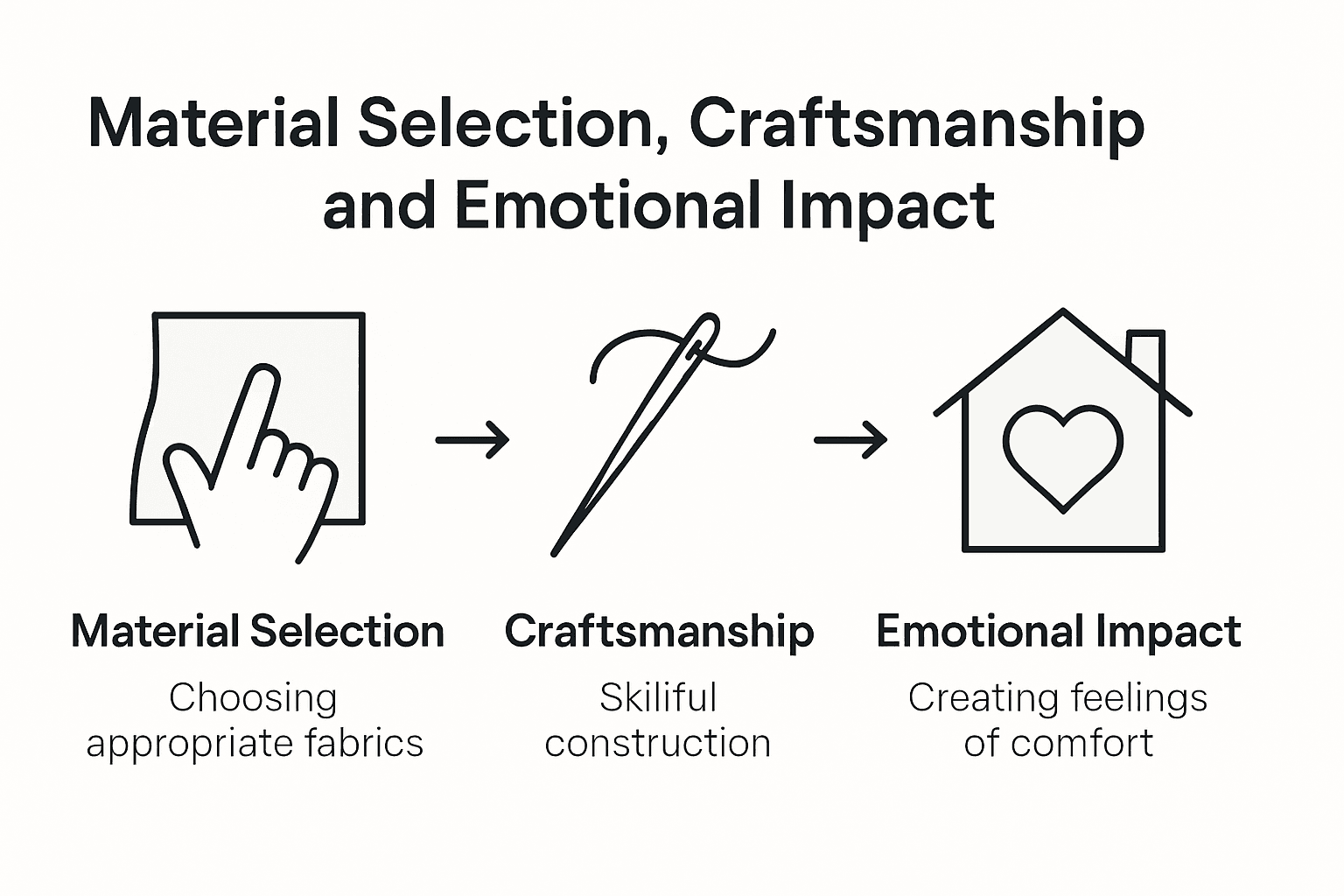
Pro Tip for Quality Assessment: Examine the details of custom decor items — look for precision in stitching, consistency in material finish, and evidence of careful, intentional design that goes beyond surface-level aesthetics.
The table below highlights key factors distinguishing quality custom decor:
| Craftsmanship Factor | Why It Matters | What To Look For |
|---|---|---|
| Material Choice | Affects durability and feel | Premium fabrics, solid metals |
| Production Technique | Influences appearance and longevity | Hand-stitching, laser cutting |
| Design Precision | Reflects care and expertise | Clean finishes, sharp lines |
| Artistic Value | Drives emotional connection | Unique patterns, personal touches |
Common Pitfalls When Personalizing Gifts
Personalization can transform gift-giving from a routine transaction into a meaningful experience, but subtle missteps can undermine even the most well-intentioned efforts. Research on personalization strategies reveals that simply adding a name or random unique element does not guarantee an emotionally resonant gift — personalization requires thoughtful, strategic approach that genuinely reflects the recipient’s identity and preferences.
Design misalignment emerges as a critical pitfall in personalized gifting. Many well-meaning gift-givers select customization options without carefully considering the recipient’s aesthetic sensibilities or practical needs. Design aesthetic research demonstrates that incongruent personalization can actually generate negative emotional responses, transforming what should be a meaningful gesture into an awkward or unwelcome surprise. Common mistakes include selecting overly elaborate designs, choosing color schemes that clash with the recipient’s taste, or personalizing items that do not align with their lifestyle or functional preferences.
Another significant challenge involves balancing uniqueness with genuine emotional relevance. Personalization is not about creating the most elaborate or complex design, but about crafting a meaningful connection. Successful personalized gifts communicate understanding, demonstrate intimate knowledge of the recipient’s personality, and reflect genuine emotional investment. This requires moving beyond surface-level customization like generic monograms or randomly selected dates, and instead selecting personalization elements that reveal true thoughtfulness and deep personal connection.
Pro Tip for Successful Personalization: Always prioritize the recipient’s preferences and lifestyle over your own creative impulses, ensuring that personalized gifts feel like a heartfelt reflection of their identity rather than an imposed artistic statement.
Make Your Home Truly Yours with Thoughtful Personalization
The article highlights the challenge of turning generic spaces into personal sanctuaries through meaningful storytelling and emotionally resonant decor. If you want to avoid common pitfalls like design misalignment and superficial personalization, the key is choosing handcrafted products that tell your unique story while reflecting your personality and style. This is where craftsmanship, emotional connection, and thoughtful customization come together to create a home environment that feels authentic and comforting.
At FunLifeNow, you can explore a curated collection of American-made, personalized home decor including custom blankets, canvas wall art, and metal signs. Each item is designed to honor your personal milestones, memories, and aesthetic preferences with precision and care. Whether you want custom text, photo-based decor, or meaningful dates, our step-by-step personalization guides make it simple to create lasting emotional connections with your space or gift recipients.
Bring the concepts discussed in “Why Personalization Matters for Home Decor Buyers” to life by visiting our homepage FunLifeNow to discover unique and durable products that combine storytelling with superior craftsmanship. Don’t settle for generic—start crafting your meaningful home accent today and enjoy the emotional benefits of true personalization.
Looking for inspiration on how to get started Choose your favorite product and customize it easily with our user-friendly tools. Make your space or your gift unforgettable now.
Personalize your home with purpose at FunLifeNow today.
Frequently Asked Questions
What is personalization in home decor?
Personalization in home decor refers to the process of selecting and arranging items that reflect an individual’s unique experiences, preferences, and identity, transforming generic spaces into meaningful environments.
How does personalization impact emotional well-being in home decor?
Personalized home decor can enhance emotional well-being by creating a sense of belonging and connection, as items tailored to personal narratives serve as emotional anchors in one’s living space.
What are effective strategies for personalizing home decor?
Effective strategies for personalizing home decor include incorporating custom elements like monogrammed items, unique wall art that tells a story, and carefully chosen color schemes that resonate with personal style.
How can personalized gifts enhance relationships?
Personalized gifts enhance relationships by demonstrating thoughtfulness and a deep understanding of the recipient’s identity and preferences, turning ordinary gifts into cherished mementos that strengthen emotional connections.