
What Is Rustic Decor and Why It Resonates at Home
Over half of American homeowners today are turning to rustic decor for its ability to create inviting, character-filled spaces. This style feels especially relevant as more people crave authenticity and a sense of connection in their homes. Discover how rustic design goes beyond trends by focusing on simplicity, natural textures, and honest materials that bring genuine warmth and individuality into every room.
Table of Contents
- Defining Rustic Decor And Its Core Concepts
- Popular Styles And Variations In Rustic Decor
- Key Materials, Textures, And Color Palettes
- Personalization And Storytelling In Rustic Spaces
- Common Mistakes To Avoid With Rustic Decor
Key Takeaways
| Point | Details |
|---|---|
| Embrace Natural Imperfections | Rustic decor celebrates authenticity by prioritizing organic materials and unique textures over uniformity. |
| Personal Narrative Through Design | Incorporate personal and meaningful elements into your decor to create spaces that reflect individual journeys and stories. |
| Diverse Rustic Styles | Explore various rustic design interpretations, such as Rustic Industrial and Coastal Rustic, to find a style that resonates with your personal aesthetic. |
| Avoid Over-Matching | Curate an eclectic mix of items rather than matching furniture sets to enhance the authentic charm of rustic design. |
Defining Rustic Decor and Its Core Concepts
Rustic decor represents a design philosophy that celebrates authenticity, raw natural materials, and an unpretentious aesthetic rooted in simplicity. Interior design experts emphasize that rustic style fundamentally honors organic textures, handcrafted elements, and a connection to natural environments. This design approach transforms living spaces into warm, inviting sanctuaries that feel both timeless and deeply personal.
At its core, rustic decor centers on several key principles: embracing imperfection, highlighting natural materials, and creating spaces that tell a story. Characteristic elements include unfinished wood surfaces, weathered leather furniture, handmade ceramic pieces, and color palettes inspired directly by nature. These design choices create an atmosphere that feels simultaneously rugged and refined, blending earthy tones with textural complexity that evokes a sense of heritage and craftsmanship.
Rustic design draws inspiration from traditional rural and frontier aesthetics, translating pastoral sensibilities into contemporary home environments. The style appreciates materials in their most authentic state - wood with visible grain, stone with natural irregularities, and textiles with subtle, handwoven textures. This approach rejects overly polished or manufactured appearances, instead celebrating the unique character of each design element. By prioritizing natural imperfections and organic forms, rustic decor creates spaces that feel grounded, comfortable, and inherently connected to the natural world.
Pro Tip: Start Small with Rustic Accents: Begin incorporating rustic elements through strategic accent pieces like wooden picture frames, handwoven throws, or ceramic vases to gradually introduce the style without overwhelming your existing decor.
Popular Styles and Variations in Rustic Decor
Rustic decor is not a monolithic design approach but a versatile aesthetic with multiple interpretations and regional influences. Home design experts recognize several distinct rustic style variations, each offering unique perspectives on integrating natural materials and organic textures into living spaces. These styles range from minimalist interpretations to more elaborate and sophisticated approaches, allowing homeowners significant flexibility in expressing their personal design preferences.
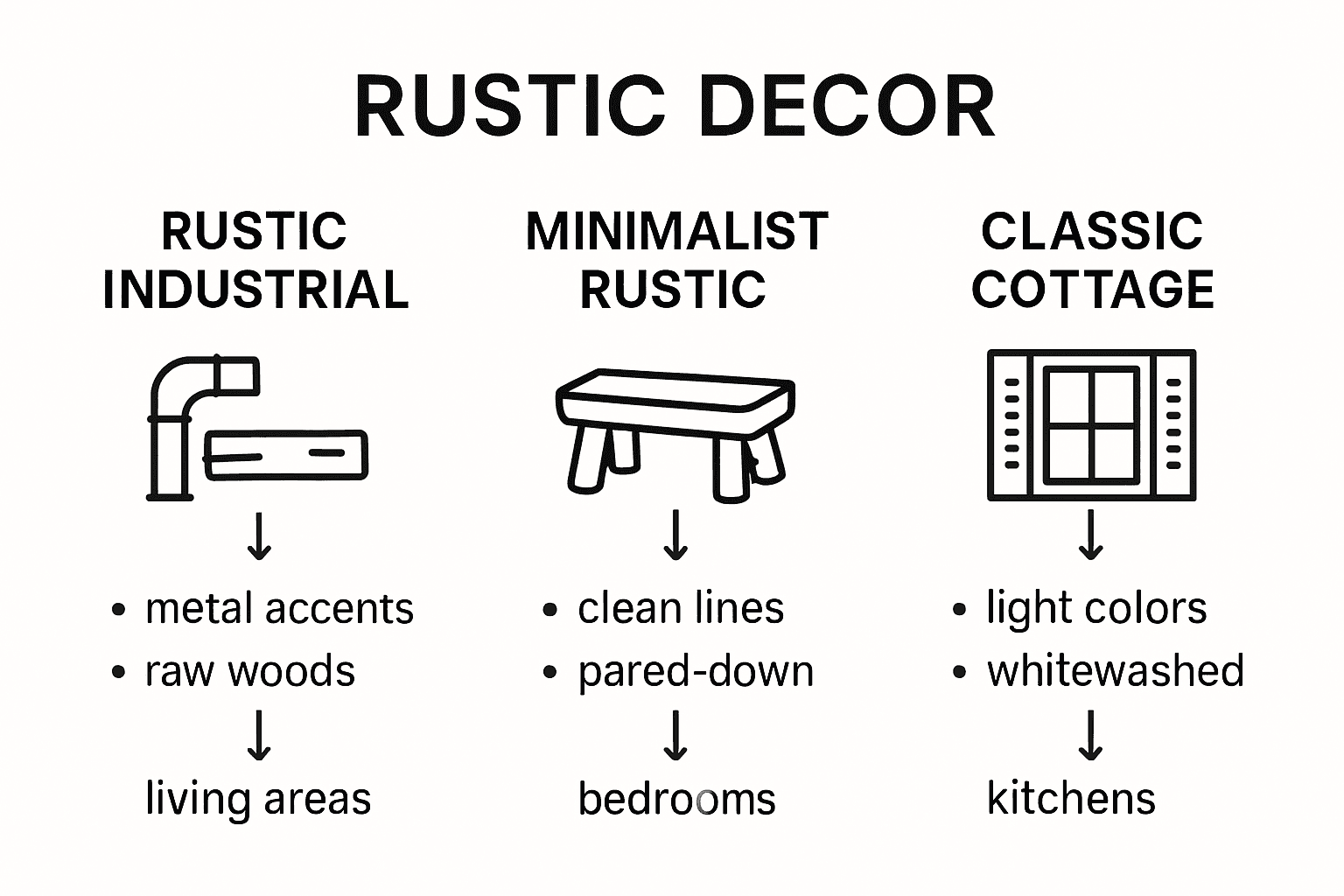
One prominent variation is Rustic Industrial Design, which merges raw materials like exposed brick and weathered wood with metal elements. This style emphasizes durability and sustainability by incorporating reclaimed materials, creating spaces that feel simultaneously rugged and intentional. Urban Rustic and Contemporary Rustic styles similarly blend traditional rustic elements with modern design sensibilities, producing interiors that feel both timeless and current.
Additional rustic style variations include Minimalist Rustic, which strips design down to essential elements with clean lines and neutral color palettes, and High Country Rustic, which embraces more traditional mountain lodge aesthetics with rich wooden textures and warm, earthy tones. Coastal Rustic offers another unique interpretation, incorporating lighter color schemes and maritime-inspired elements that evoke seaside environments while maintaining the core rustic principles of natural materials and textural depth.
Pro Tip: Mix Rustic Styles Strategically: When combining different rustic design variations, focus on maintaining a consistent color palette and material selection to create a cohesive and harmonious interior aesthetic.
Here’s a summary comparing distinct rustic decor styles:
| Style Variation | Key Materials Used | Defining Look | Best For |
|---|---|---|---|
| Rustic Industrial | Reclaimed wood, metal | Rugged, urban, unfinished | Loft spaces, modern homes |
| Minimalist Rustic | Clean wood, simple linen | Sleek, neutral, airy | Small or open floor plans |
| High Country Rustic | Rich wood, stone | Warm, cozy, mountain lodge | Cabins, country residences |
| Coastal Rustic | Light wood, natural fiber | Airy, beach-inspired | Seaside or lakeside homes |
Key Materials, Textures, and Color Palettes
Rustic homes emphasize natural materials and authentic textures that connect interior spaces with the organic world. Wood, stone, and metal form the foundational elements of rustic design, each contributing unique characteristics that evoke a sense of raw beauty and timeless elegance. These materials are carefully selected not just for their aesthetic appeal, but for their ability to tell a story of craftsmanship, durability, and natural imperfection.
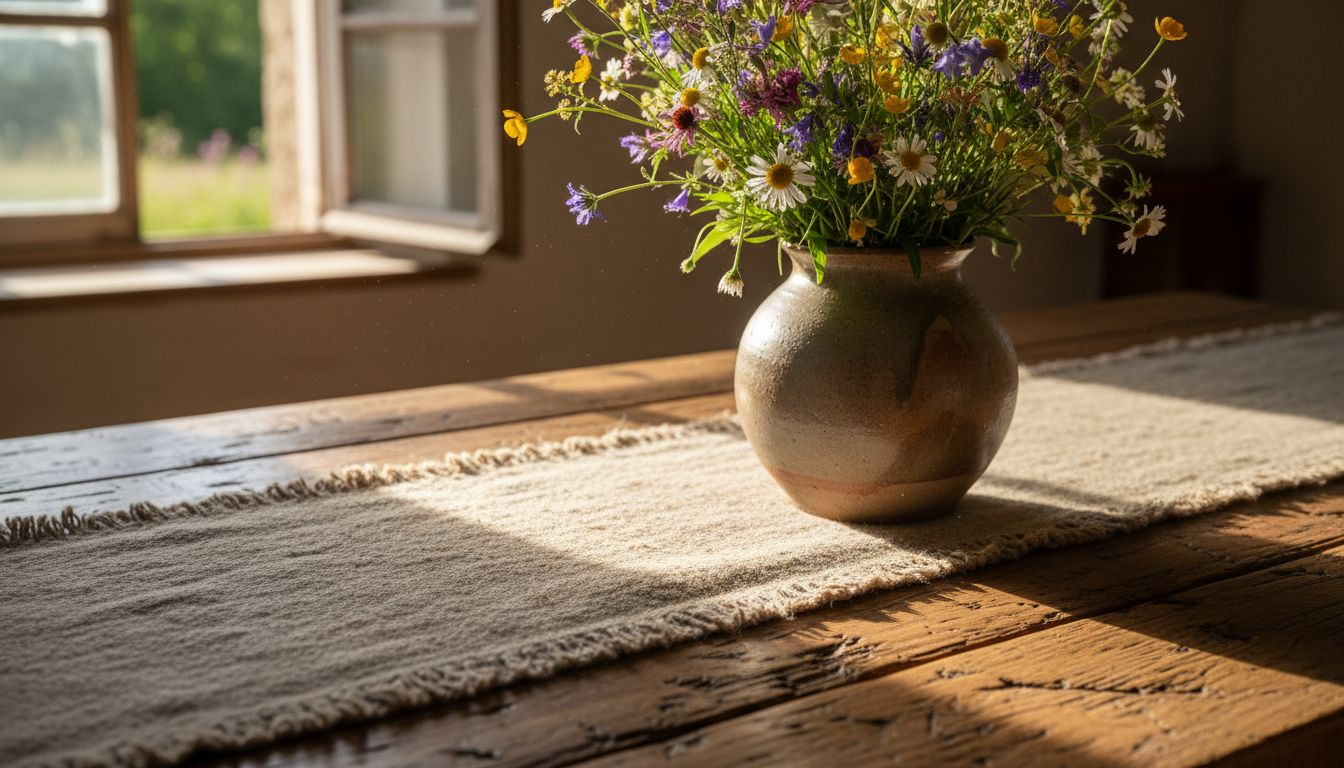
Wood serves as the quintessential rustic material, with various treatments and finishes creating dramatically different visual experiences. Reclaimed wood especially adds historical character and depth to interior spaces, bringing rich textures and a sense of heritage to furniture, flooring, and architectural elements. Unfinished or weathered wood surfaces showcase natural grain patterns, knots, and subtle color variations that make each piece uniquely compelling. Complementary materials like wrought iron, raw stone, and textured textiles such as wool and cotton further enhance the rustic aesthetic, creating layers of visual and tactile interest.
Color palettes in rustic design draw directly from nature’s most subtle and grounding tones. Earthy neutrals like warm browns, soft taupes, deep greens, and muted grays create a harmonious backdrop that allows natural materials to take center stage. These colors mirror the landscape - think forest floors, mountain stone, weathered barn wood - providing a sense of calm and connection to the natural world. Accent colors might include deep rust, forest green, or soft blues that evoke wilderness landscapes, always maintaining a sense of understated elegance and organic harmony.
Pro Tip: Material Mixing Mastery: When combining rustic materials, focus on maintaining a balanced color temperature and varying texture scales to create visual depth without overwhelming the space.
The following table highlights how key rustic design materials impact the character of a space:
| Material | Sensory Appeal | Design Impact |
|---|---|---|
| Unfinished Wood | Visual warmth and texture | Creates natural, inviting feel |
| Wrought Iron | Solid weight, cool touch | Adds strength, authenticity |
| Stone | Rough, tactile surface | Evokes earthiness, stability |
| Handwoven Textiles | Soft, cozy handfeel | Boosts comfort, layers of interest |
Personalization and Storytelling in Rustic Spaces
Rustic homes capture the essence of personal narrative through carefully curated design elements that transform living spaces into deeply meaningful environments. Unlike minimalist or purely contemporary styles, rustic decor invites homeowners to weave their personal histories, experiences, and emotional connections directly into their interior design. Each carefully selected piece becomes a conversation starter, a memory keeper, reflecting not just aesthetic preferences but personal journeys and inherited traditions.
Craftsmanship plays a pivotal role in rustic personalization. Handmade items like bespoke furniture and artisanal textiles serve as intimate storytelling vehicles, introducing unique textures and individual character into home spaces. Family heirlooms, vintage finds, and custom-made pieces with personal significance transform rustic interiors from mere living spaces into narrative landscapes. These elements might include hand-carved wooden frames displaying cherished photographs, quilts passed through generations, or pottery crafted by local artisans that speak to regional cultural heritage.
Personalization in rustic spaces goes beyond visual aesthetics, engaging multiple sensory experiences that evoke emotional connections. Textural elements like weathered wooden surfaces, hand-woven textiles, and natural stone surfaces invite touch and interaction, creating intimate connections between inhabitants and their environment. The imperfections and unique characteristics of rustic design elements mirror human experiences - celebrating individuality, resilience, and the beauty of natural aging. By embracing materials and design choices that tell personal stories, homeowners create spaces that feel authentically lived-in, deeply personal, and emotionally resonant.
Pro Tip: Memory Mapping Your Space: Curate rustic decor elements that represent significant life moments, creating a home environment that serves as a visual autobiography of your personal journey.
Common Mistakes to Avoid With Rustic Decor
Rustic decor demands a nuanced approach that goes beyond simple design choices. One fundamental error many homeowners make is forcing uniformity in a style that inherently celebrates imperfection and organic variation. Avoiding straight lines and embracing abstract, imperfect design elements is critical to maintaining the authentic rustic aesthetic. Symmetry and precision can inadvertently strip away the raw, natural essence that defines rustic design, making spaces feel manufactured rather than genuinely lived-in.
Over-matching represents another common pitfall in rustic interior design. Curating an eclectic mix of items that appear collected over time is far more authentic than purchasing matching furniture sets or creating overly coordinated spaces. Rustic design thrives on pieces that tell individual stories, feature unique textures, and showcase subtle variations. This means mixing different wood tones, incorporating vintage finds alongside contemporary pieces, and allowing each element to maintain its distinct character and historical narrative.
Material selection and quality represent critical considerations often overlooked by novice designers. Rustic decor is not about acquiring inexpensive, mass-produced items that mimic natural textures, but investing in genuine, high-quality materials that age gracefully. Cheap imitations of wood, stone, or metal can quickly undermine the entire aesthetic, appearing synthetic and disconnected from the design’s core principles. Authentic rustic spaces prioritize craftsmanship, durability, and materials that develop rich patinas and tell compelling stories through their natural wear and transformation.
Pro Tip: Authenticity Check: Before adding any decor item, ask yourself if it genuinely reflects your personal story or represents a meaningful connection to natural materials and craftsmanship.
Bring Rustic Charm Home with Personalized Touches
Rustic decor thrives on authentic storytelling and the natural beauty of personalized, handcrafted elements. If you want to avoid the common pitfalls of overmatched or generic decor, embrace the emotional connection that comes from items reflecting your unique experiences and heritage. At FunLifeNow, you will find high-quality American-made home decor that celebrates craftsmanship and personal narratives through custom blankets, canvas wall art, and metal signs. These pieces allow you to infuse your rustic space with meaningful details like names, dates, and heartfelt messages that transform a house into a true sanctuary.
Explore how intentional personalization can elevate your rustic decor style by visiting FunLifeNow. Start with our selections of custom blankets, perfect for adding warmth and story to your living spaces. Don’t wait to create a deeply personal environment that resonates with heritage and authenticity. Shop today to craft your own narrative-rich rustic home accents that will be treasured for years to come.
Frequently Asked Questions
What is rustic decor?
Rustic decor is a design style that focuses on natural materials, unpretentious aesthetics, and a connection to nature. It celebrates authenticity and often features elements like unfinished wood, weathered leather, and handmade ceramics.
How can I incorporate rustic decor into my home?
You can start incorporating rustic decor by adding accents such as wooden picture frames, handwoven throws, or ceramic vases. Gradually introduce these elements to create a warm and inviting atmosphere.
What are some common materials used in rustic decor?
Common materials in rustic decor include wood (especially reclaimed wood), stone, metal, and handwoven textiles. These materials evoke a sense of earthiness and connection to nature.
What styles fall under the rustic decor category?
Popular styles of rustic decor include Rustic Industrial, Minimalist Rustic, High Country Rustic, and Coastal Rustic. Each of these variations combines natural materials with unique aesthetic elements to create diverse interior environments.